'/%3e%3cpath%20d='M84%20126C60.804%20126%2042%20107.196%2042%2084C42%2060.804%2060.8041%2042%2084%2042L84%20126Z'%20fill='%235546FA'/%3e%3c/svg%3e)
KOL Marketing in China: A Strategic Guide for US Brands

KOL Marketing in China has become one of the most powerful and complex growth levers for US brands entering the Chinese market. Unlike Western influencer marketing, China’s KOL ecosystem is deeply integrated with e-commerce, social platforms, and payment systems, enabling creators to drive real, measurable sales at scale. Since 2015, China Digital Dynamics has helped US enterprises navigate KOL marketing China, combining platform expertise, regulatory compliance, and data-driven campaigns to generate ROI through its China market entry solutions.
What Is KOL Marketing in China?
What are Key Opinion Leaders (KOL)?
Key opinion leaders China are trusted content creators who influence purchasing decisions through credibility, expertise, and community trust. Unlike casual influencers, KOLs educate audiences, provide reviews, and often directly drive sales. Popular sectors include beauty, fashion, technology, healthcare, luxury, and B2B services. KOLs operate across major platforms WeChat, Weibo, Douyin, Xiaohongshu, and Bilibili and frequently integrate commerce through livestreams, Mini Programs, and in-platform stores. Learn more in this China influencer marketing insights guide.
Difference between KOLs and Influencers in China
Influencers: Focus on reach, lifestyle visibility
KOLs: Emphasize expertise, authority, and persuasion
Chinese audiences expect guidance, not just popularity
Many KOLs drive sales, not just awareness
Understanding this distinction is crucial for US brands executing KOL marketing China campaigns.
Why KOL Marketing Is Essential for US Brands in China
China’s digital environment is fundamentally trust-driven. Consumers rely heavily on peer recommendations and expert validation especially when evaluating foreign brands.
Market insights:
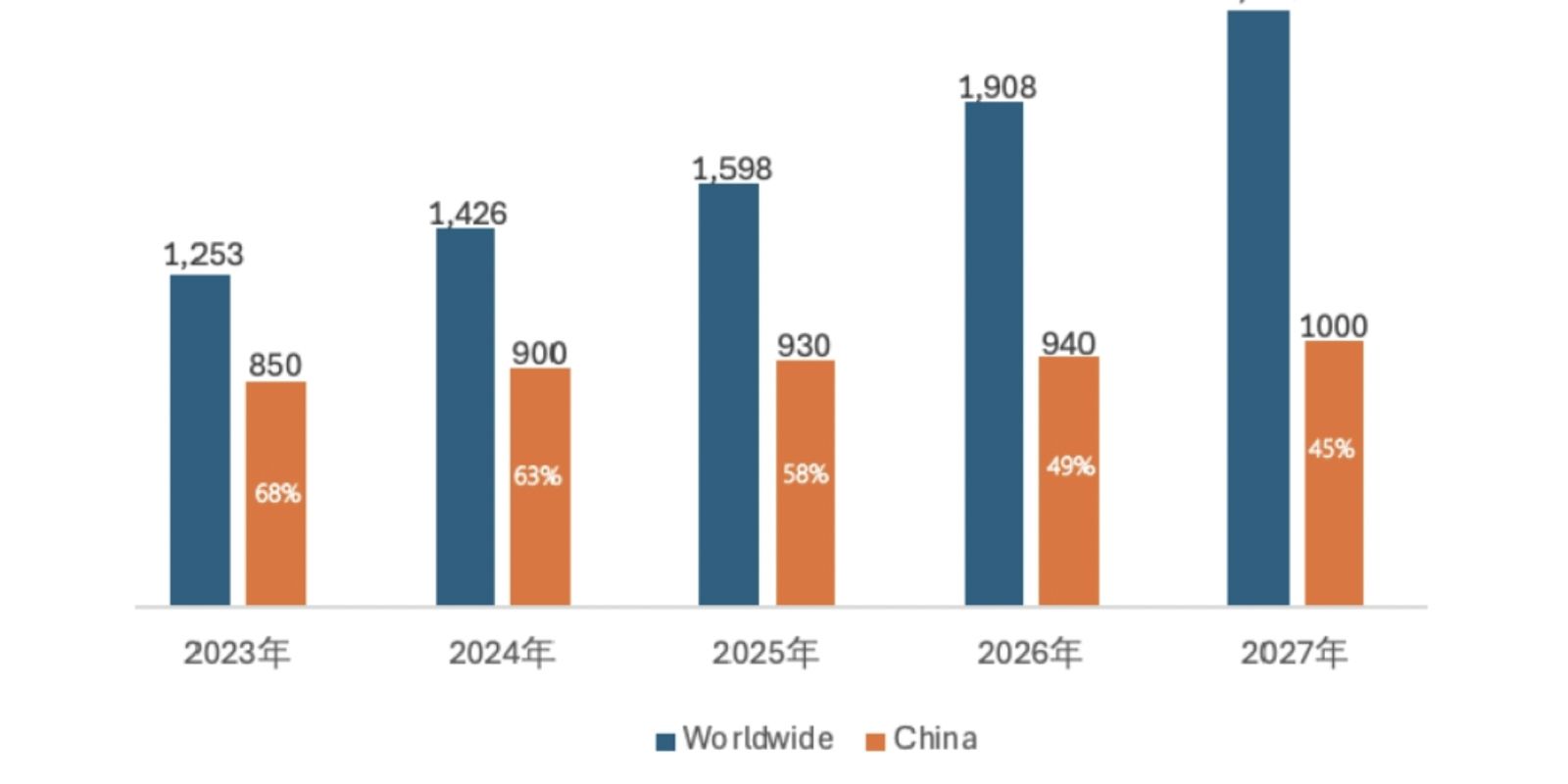
China’s KOL market is projected to reach RMB 93 billion (~USD 13 billion) in 2025, representing 58% of global KOL spend
Growth is expected to stabilize at ~1% in 2026, before rebounding in 2027, exceeding RMB 100 billion
Consumer trends:
45% of Chinese consumers purchase products based on influencer recommendations on social media (Statista)
KOL benefits for US brands:
Rapid trust-building with local audiences
Cultural validation and credibility
Shorter conversion paths
Access to closed social ecosystems
(Source: Ebiquity research , Statista)
For deeper understanding, explore this China consumer behavior and digital trust analysis.
Understanding the Chinese Influencer Ecosystem
Major KOL Platforms in China (WeChat, Weibo, Douyin, Xiaohongshu, Bilibili)
Platform
Role
WeChat
Long-form content, CRM, private traffic
Weibo
Real-time trends, PR amplification, public visibility
Douyin
Short-form video, livestream commerce
Xiaohongshu (RED)
Peer reviews, grassroots discovery, KOC-driven trust
Bilibili
Passion-driven, Gen Z engagement
Brands increasingly favor mid-tier and vertical KOLs due to lower costs and higher conversion efficiency. In 2025, nearly 70% of Xiaohongshu campaigns focused on authentic creator experiences, while Douyin remained the top platform for social and live commerce. Learn more about this ecosystem on the China Digital Dynamics homepage.
Content vs Commerce: How Chinese KOLs Drive Sales
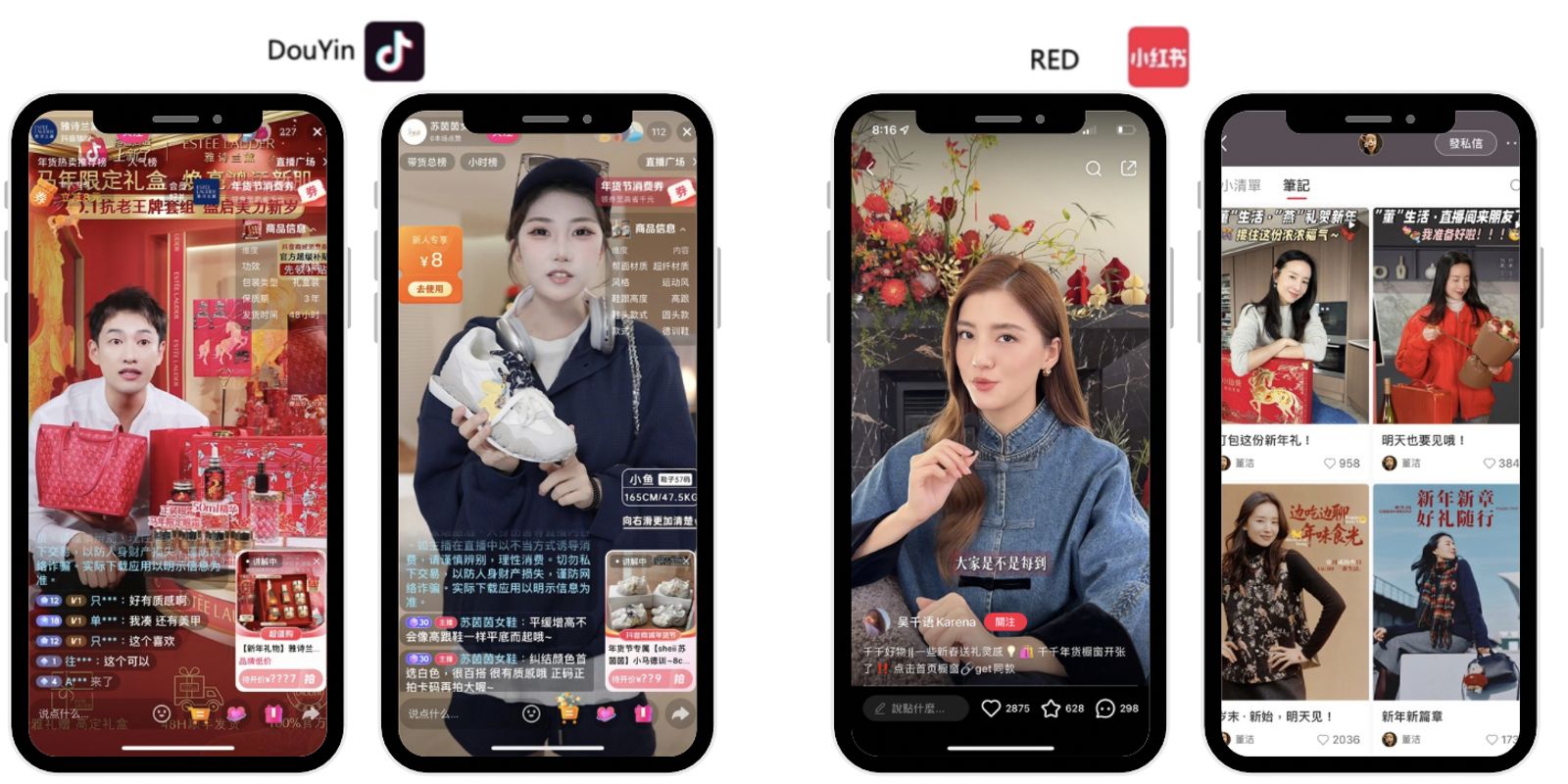
By 2026, livestream commerce GMV is projected to exceed ¥8 trillion (~USD 1.2 trillion). High-performing KOL marketing China campaigns integrate story-driven awareness with transactional commerce hooks, bypassing traditional advertising through integrated China digital growth strategies.
What Are Key Opinion Consumers (KOCs)?
KOCs are everyday users whose influence stems from authenticity, not follower count.
Smaller followings (<10K)
Organic reviews
Amplify real product experiences
These grassroots strategies are often part of broader China social commerce solutions.
KOL vs. KOC Strategy Comparison
Dimension
KOL
KOC
Reach
High
Localized
Authority
Expert-driven
Peer-based
Cost
Higher
Lower
Best Use
Branding, launches
Reviews, trust-building
Effective campaigns combine KOL in China for awareness with KOCs for conversion, especially on Xiaohongshu and WeChat, supported by full-service China marketing execution.
Types of KOLs in China by Industry and Scale
Mega KOLs
Millions of followers
National reach
Ideal for brand launches and positioning
Mid-Tier & Vertical KOLs
100K–1M followers
Strong niche credibility
Best ROI for most enterprise campaigns
Micro KOLs and Community Creators
<100K followers
High engagement, hyper-targeted audiences
Ideal for community seeding and credibility
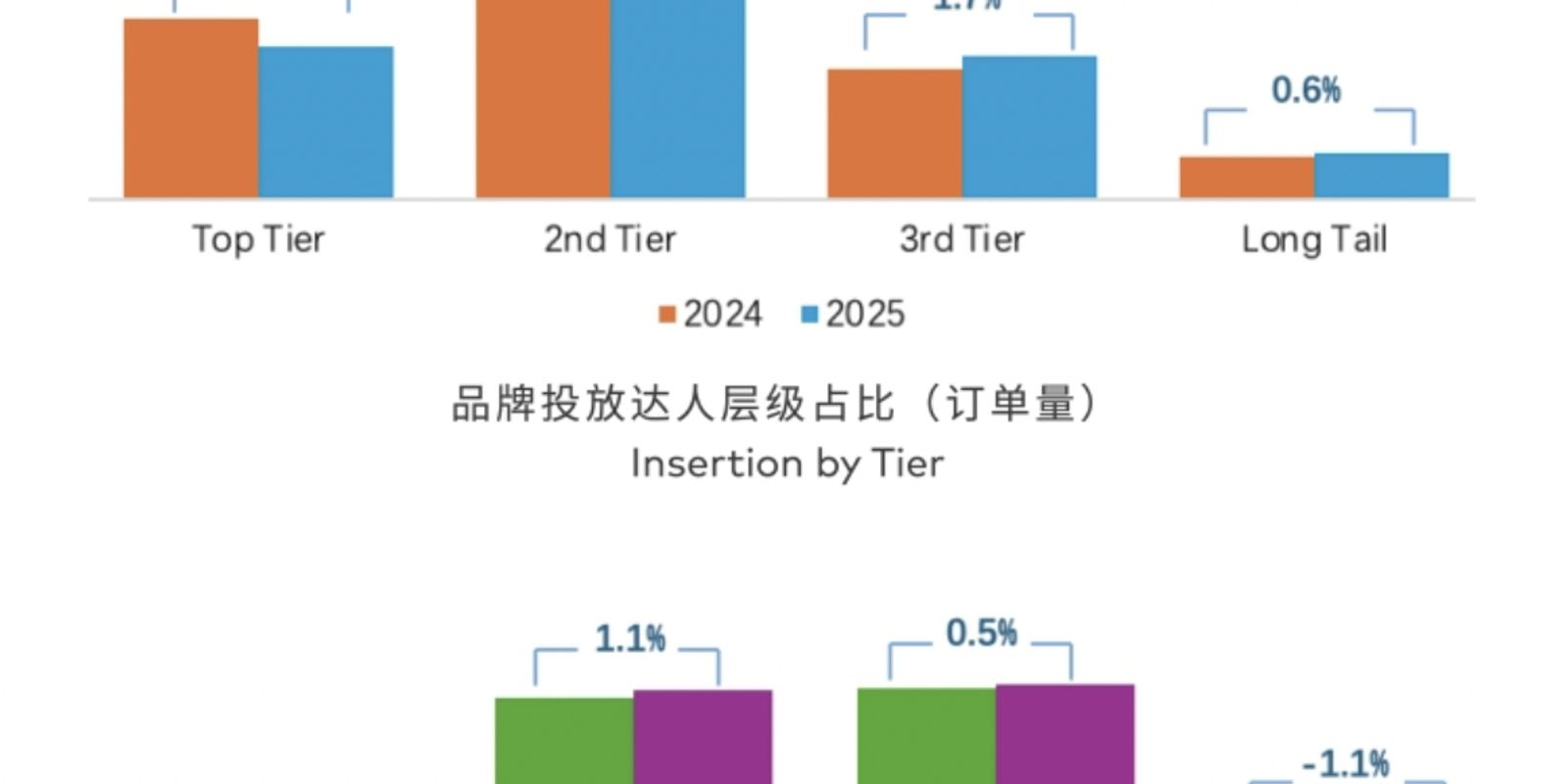
Vertical and mid-tier KOLs are often more cost-effective than mega KOLs, especially for specialized enterprise categories. Recent data shows a clear shift in advertiser behavior: mid-tier and long-tail KOLs became the dominant spend category, reflecting stricter ROI and cost-control requirements, supported by performance-driven China marketing solutions.
How US Enterprise Brands Should Approach KOL Marketing in China
Localization vs Direct Translation
Directly translating US campaigns rarely works. Chinese audiences respond best to:
Cultural tone and narrative
Platform-native formats
Co-created content with KOL voice
Compliance, Contracts, and Platform Rules
China has strict influencer advertising regulations. US brands must ensure:
Paid partnership disclosures
Legal compliance
Clear content usage contracts
Local legal and platform expertise is essential, which is why brands rely on China market expertise and consulting services.
KOL Campaign Strategy for Enterprise Brands
KOL Selection & Vetting
Evaluate more than followers:
Audience relevance and engagement
Historical campaign performance
Transparency in reporting
Content Planning & Messaging
Educates before selling
Demonstrates real use cases
Matches platform-specific consumption
Performance Metrics & ROI Tracking
Engagement, comments, shares
Mini Program visits
Conversions and GMV attribution
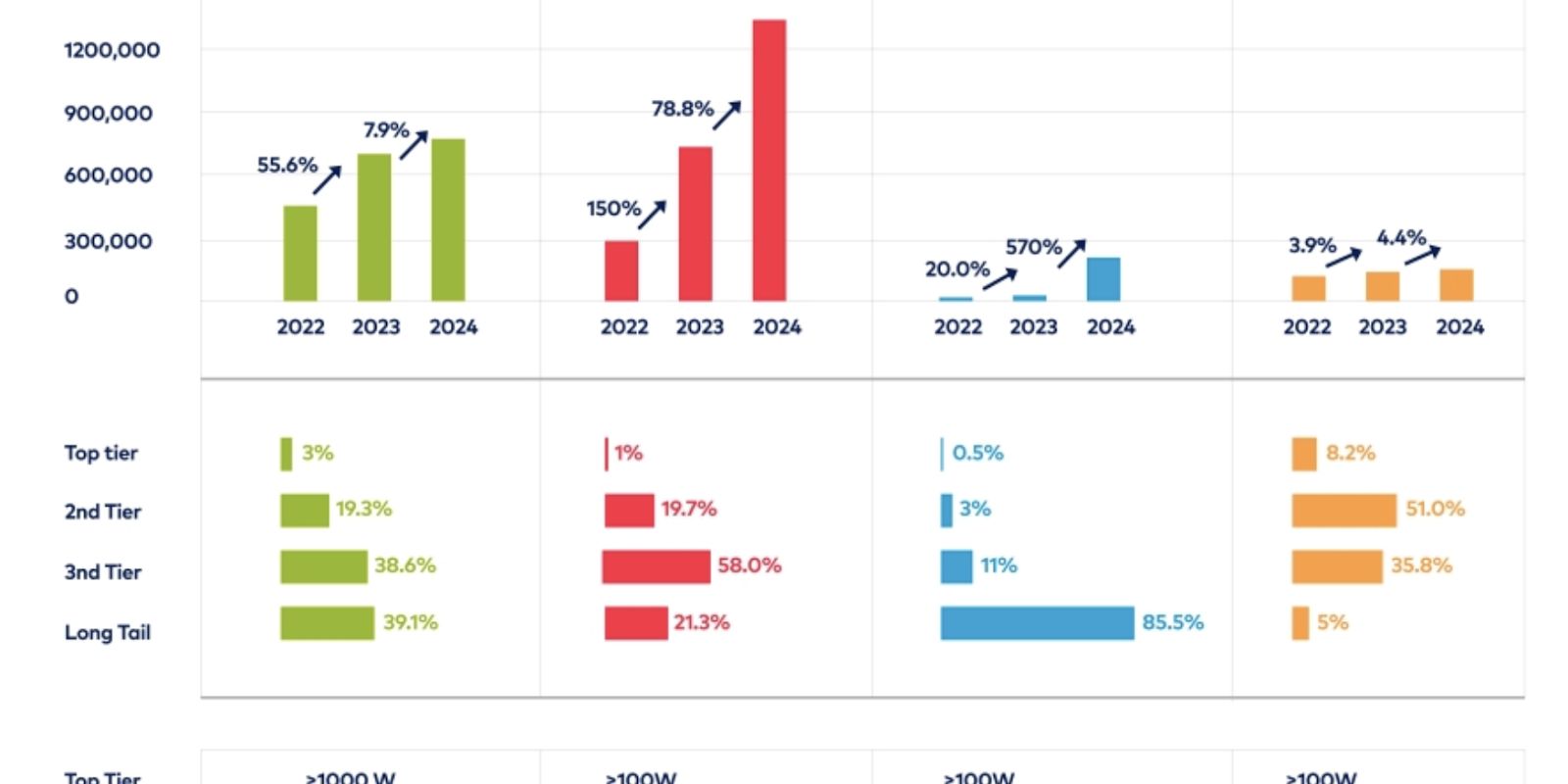
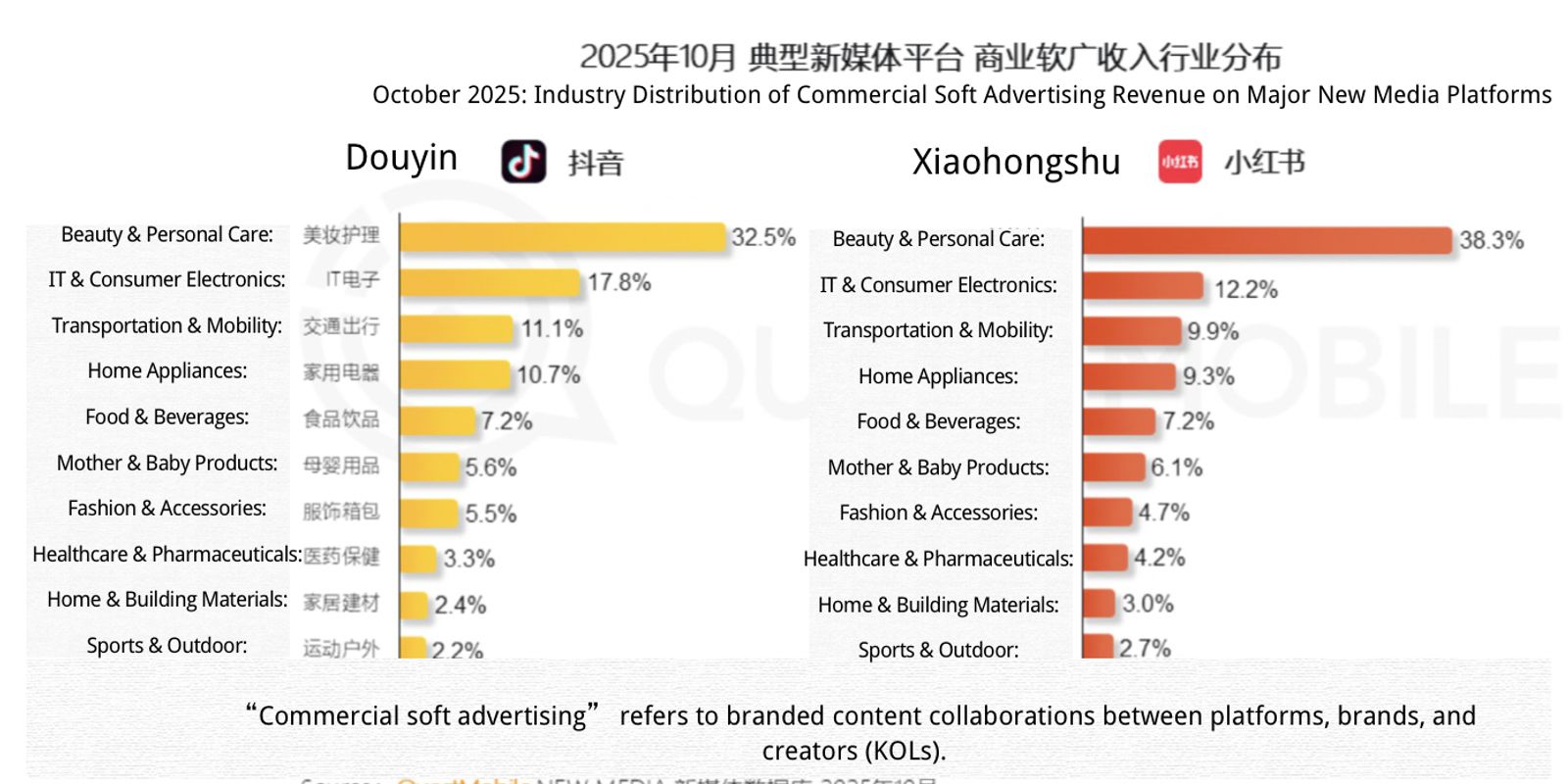
Treat KOL marketing China like performance media, not brand intuition alone. As social shopping and live shopping continue to expand, all platforms are pushing commercial initiatives, with KOL marketing as an key pillar. Douyin and Red currently boast the largest pools of commercialized KOLs. Notably, Bilibili is accelerating its commercial appeal, with its KOL roster up by 570%, signaling huge upside potential in 2024. For industry-specific strategies, read this China tourism and digital marketing strategy guide.
Common Mistakes US Brands Make with KOL Marketing in China
Common pitfalls include:
Choosing KOLs based on fame instead of relevance
Ignoring KOC communities
Failing to integrate CRM for retargeting
Treating campaigns as one-off activations instead of long-term investments
These mistakes can erode ROI quickly, making it critical to follow proven China digital marketing frameworks.
How China Digital Dynamics Helps US Brands Scale with KOL Marketing
End-to-End KOL Strategy & Execution
Platform-specific campaign strategy
KOL selection and negotiation
Content co-creation and scheduling
Platform-Specific Campaign Management
WeChat KOL & private traffic execution
Douyin livestream commerce optimization
Xiaohongshu review and discovery campaigns
Bilibili niche content integration
Data-Driven Optimization & Reporting
Transparent dashboards
Attribution and ROI modeling
Ongoing optimization to improve cost efficiency
Since 2015, China Digital Dynamics has supported US brands with cross-platform execution, compliance, and measurable growth through its official platform.
Getting Started with KOL Marketing in China
Define brand vs performance objectives
Identify priority platforms and target audiences
Select KOLs and KOCs using data
Launch localized content programs
Track, optimize, and scale
With the right approach, KOL in China becomes a sustainable engine for credibility, engagement, and revenue growth. Begin with a China market entry and growth strategy consultation.
2026 Insights:
China-first strategy is essential
Social commerce integrates discovery, recommendation, and conversion
KOC and community-driven marketing dominate
Data enables smarter, personalized customer journeys
Experiential marketing drives engagement
