'/%3e%3cpath%20d='M84%20126C60.804%20126%2042%20107.196%2042%2084C42%2060.804%2060.8041%2042%2084%2042L84%20126Z'%20fill='%235546FA'/%3e%3c/svg%3e)
Getting to Grips with China’s F&B Market: From Taste to Trust in the Digital Era
China’s food and beverage (F&B) market is one of the most dynamic and digitized in the world. With over 1.4 billion consumers and a mobile-first ecosystem, success today goes beyond taste—it’s about trust, transparency, and cultural relevance.
In China, flavor opens the door — but trust keeps the customer.
More than 70% of dining decisions are now shaped by social media influence, KOC reviews, and online engagement. Winning in this market means going beyond great recipes to deliver authentic experiences and visible trus
1.Understanding China’s Culinary Landscape
Localization in China is more than adjusting the menu—it’s about embracing cultural habits and digital behavior.
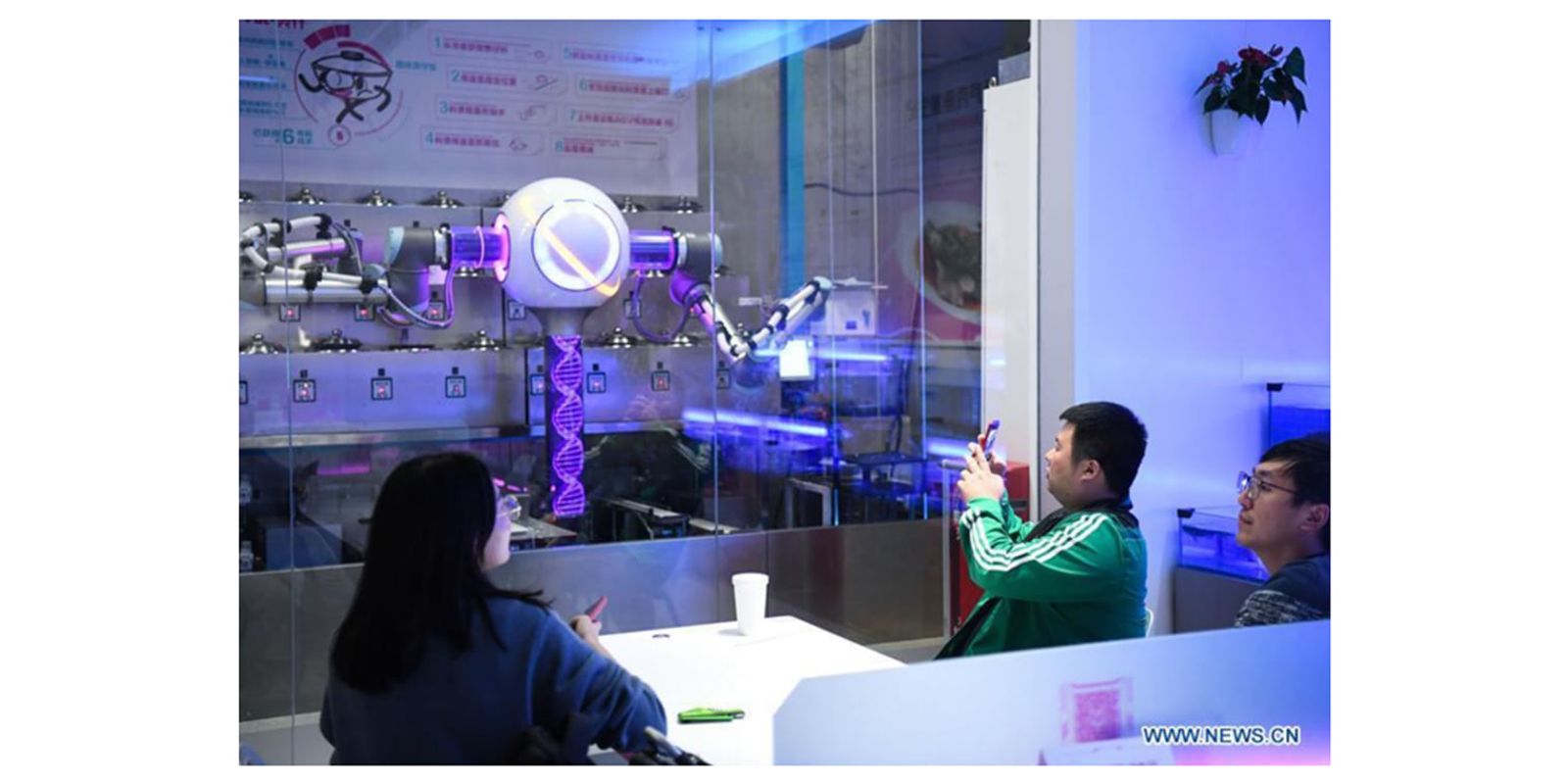
Global icons like Starbucks localized the “third-space” coffee culture, while domestic innovators such as Heytea and Naixue’s Tea turned everyday beverages into lifestyle experiences. Tech-driven pioneers like Haidilao and Luckin Coffee integrate AI personalization and loyalty ecosystems to deliver hyper-customized dining journeys.
(Image source: Xinhua)
2. Food Safety & Transparent Sourcing
In today’s market, visible safety is as powerful a marketing tool as taste itself. Chinese consumers expect proof of origin, transparency, and real-time traceability—making blockchain, QR codes, and live-streamed sourcing part of the brand story.
- Friso launched the TrackEasy traceability system for formula milk exported to China. Using dual QR codes on inner and outer packaging, consumers verify authenticity through WeChat, accessing details on milk collection, quality checks, and export records—addressing long-standing concerns about counterfeits.
- Haidilao uses RFID technology and its IKMS kitchen management system to assign each ingredient a digital ID. This tracks production, supplier, and shelf life in real time, enabling nationwide traceability within two hours. The system boosts efficiency, reduces waste, and strengthens consumer confidence through a transparent, data-driven supply chain.
3. Culinary Awards & Chef Ambassadors
Recognition drives reputation. In China, Michelin, Black Pearl, and Asia’s 50 Best Restaurants amplify credibility and attract both media and online engagement.
Chefs themselves act as brand ambassadors and cultural storytellers. From Paul Pairet’s avant-garde cuisine to rising local talents reimagining regional dishes, their influence builds authenticity and emotional connection between brand and diner.
4. Digital Marketing for China’s F&B Brands
China’s digital ecosystem merges content, commerce, and community like no other:
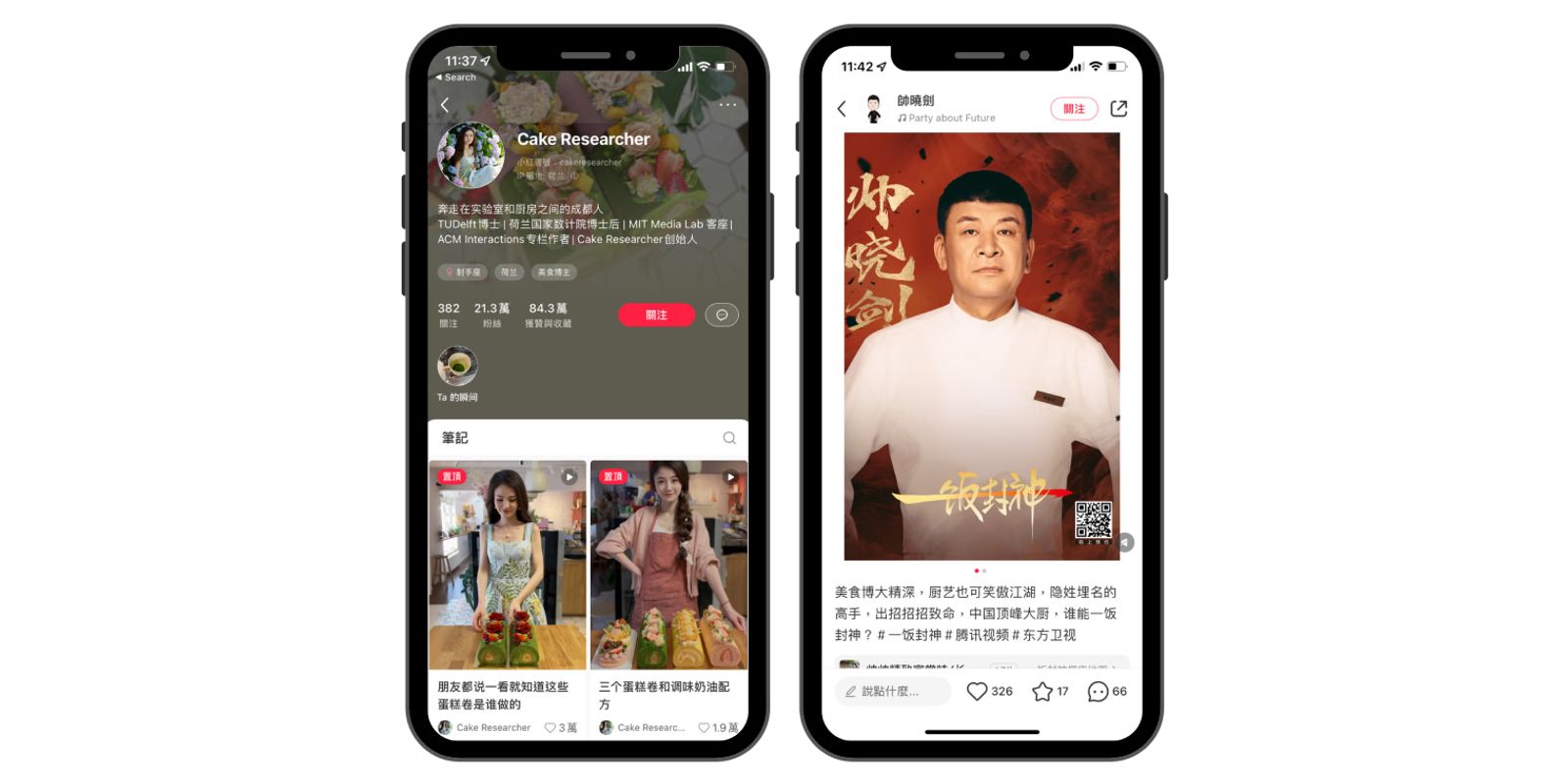
- Xiaohongshu (RED): Lifestyle inspiration and travel-driven food diaries
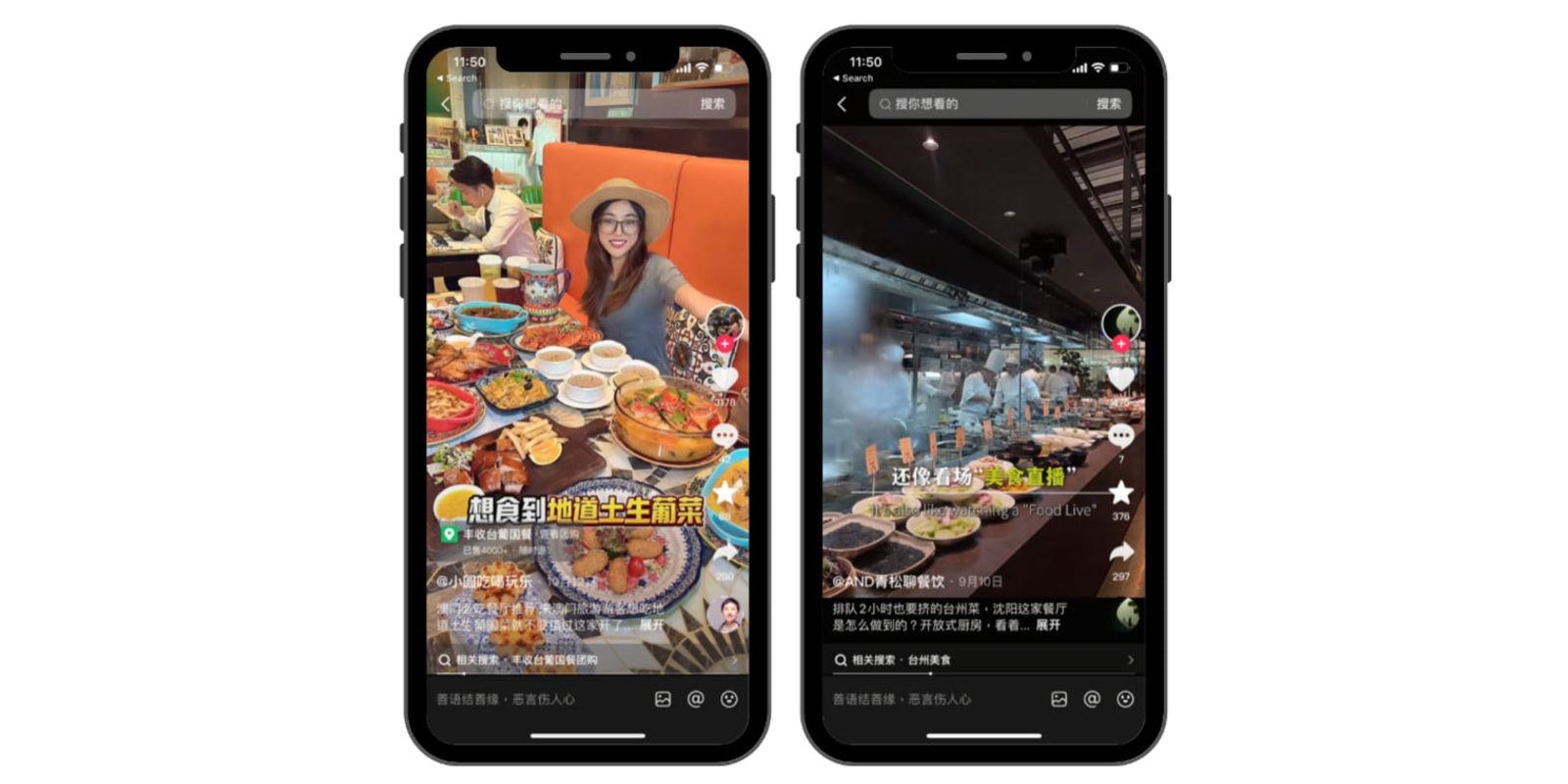
- Douyin (TikTok China): Short-form storytelling, live streams, and influencer collaborations
- WeChat: CRM, mini-programs, and loyalty programs for long-term retention
- Dianping & Meituan: Ratings, discovery, and reservation-driven conversions
The rise of KOCs (Key Opinion Consumers)—authentic, everyday reviewers—has reshaped influence marketing. Micro-communities on WeChat and RED drive peer trust and spark grassroots brand conversations.
5. Global Brands Entering China
For foreign F&B brands, success typically follows a B2B → B2C → Co-Creation path.
- B2B: Partnerships or joint ventures, e.g., Shake Shack with Maxim’s Group
- B2C: Direct engagement through WeChat mini-programs, Douyin campaigns, Dianping listings
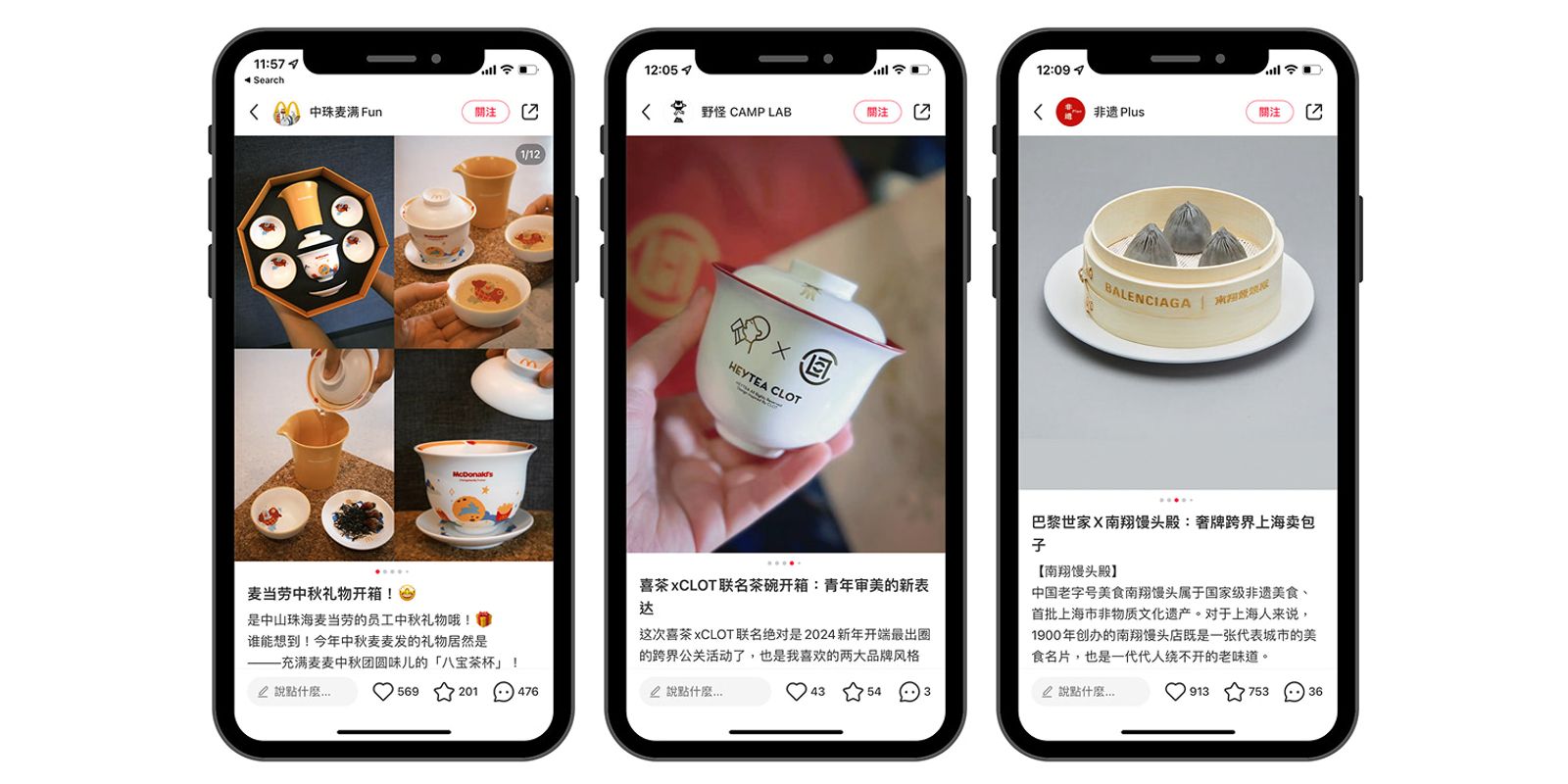
- Cultural Co-Creation: Brands increasingly collaborate with local chefs, artists, or cultural events to embed themselves in lifestyle culture. Notable examples include:
- McDonald’s’ “Art Cups” collection created by Chinese illustrators to celebrate the Mid-Autumn Festival.
- HEYTEA × CLOT co-created a trendy collection that blends Chinese tea culture, capturing young consumers’ attention.
- Balenciaga’ collaboration with Nanxiang Steamed Bun Restaurant (Shanghai) where haute couture meets traditional cuisine — reinforcing Balenciaga’s reputation for cultural sensitivity and innovation.
6. Future Trends: The Next Decade of Culinary Innovation
- Food Safety as Brand Equity: Full transparency and traceability as core differentiators
- Sustainability: Local sourcing, carbon-neutral kitchens, and waste reduction
- Immersive Experiences: AR menus, interactive dining, and sensory storytelling
- AI Personalization: Predictive menus, smart ordering, and AI-driven service design
- Globalization of Chinese Cuisine: Domestic giants like Haidilao expanding globally, exporting not just food but experience
Conclusion: From Delicious to Dependable
The future of China’s dining scene is not just about who cooks best — but who earns the most trust.
Brands that combine culinary artistry, digital innovation, and cultural empathy will define the next era of global dining leadership.
Taste attracts. Trust retains. Transparency sustains.
At China Digital Dynamics, we help global and local F&B brands navigate this transformation — turning insight into strategy, data into loyalty, and authenticity into measurable business growth.
Because in China’s culinary future, success isn’t served — it’s shared.