'/%3e%3cpath%20d='M84%20126C60.804%20126%2042%20107.196%2042%2084C42%2060.804%2060.8041%2042%2084%2042L84%20126Z'%20fill='%235546FA'/%3e%3c/svg%3e)
How to Build an Influencer Marketing Strategy in China
Influencer marketing in China has become one of the most powerful ways for brands to gain visibility, credibility, and conversions in an increasingly competitive digital landscape. Unlike many Western markets where influencer activity often focuses on top-of-funnel awareness influencer marketing in China plays a decisive role throughout the entire customer journey, from discovery and education to trust-building and purchase. Brands entering this ecosystem often benefit from expert guidance offered by platforms like China Digital Dynamics.
Chinese consumers are highly digital, socially connected, and research-driven. Before making purchasing decisions, they actively seek opinions from creators they trust across multiple platforms. This behavior has turned influencers into a core driver of brand perception and buying intent, making influencer marketing in China a strategic necessity rather than an experimental channel, especially when aligned with data-driven insights such as those shared by China Digital Dynamics insights.
Why Influencer Marketing in China Is Different
What makes influencer marketing in China unique is how deeply it is embedded within the country’s digital ecosystem. Chinese social platforms combine content, search, community interaction, and e-commerce into a single seamless experience. Influencers are therefore not only storytellers, but also educators, reviewers, and direct sales drivers an ecosystem frequently analyzed through integrated solutions like those at China Digital Dynamics Complex Solutions.
Trust dynamics also differ significantly. Chinese consumers are exposed to a high volume of advertising daily, making them more skeptical of overt brand promotion. Influencer content must feel natural, informative, and authentic. Campaigns that rely on hard selling or overly scripted messaging often fail, while those that allow influencers to communicate in their own voice consistently outperform, particularly within trust-focused digital environments discussed in this China Digital Dynamics analysis.
Understanding the Chinese KOL & KOC Ecosystem
The influencer ecosystem in China is commonly divided into KOLs (Key Opinion Leaders) and KOCs (Key Opinion Consumers), but the distinction goes beyond follower count. Understanding this structure is fundamental when building a sustainable China influencer marketing strategy supported by professional services such as those offered at China Digital Dynamics Services.
Chinese KOLs are professional content creators with strong authority within specific niches such as beauty, fashion, luxury, technology, or education. They are especially effective for large-scale exposure, product launches, and major e-commerce events, which are frequently explored in strategic influencer case studies on China Digital Dynamics.
KOCs, by contrast, are everyday consumers who share genuine experiences rather than polished endorsements. Although their audiences are smaller, their recommendations often feel more trustworthy and relatable. The most effective influencer marketing strategies in China combine KOL reach with KOC credibility using KOLs to amplify visibility and KOCs to reinforce trust and long-term influence, a balance highlighted in this influencer ecosystem insight.
Choosing the Right Platforms for Influencer Marketing in China
Each Chinese social platform serves a distinct role. Selecting the right platform is critical to influencer success and content performance, particularly when navigating China’s fragmented digital ecosystem with guidance from China Digital Dynamics.
Douyin Influencers

Douyin influencers excel at short-form video, creativity, and emotionally engaging storytelling. The platform’s algorithm prioritizes content performance over follower count, enabling brands to scale rapidly when content resonates. Influencer marketing on Douyin is particularly effective for product demonstrations, brand awareness, and impulse purchases through livestreaming, an approach often integrated into full-funnel strategies outlined by China Digital Dynamics Solutions.
Xiaohongshu Influencers
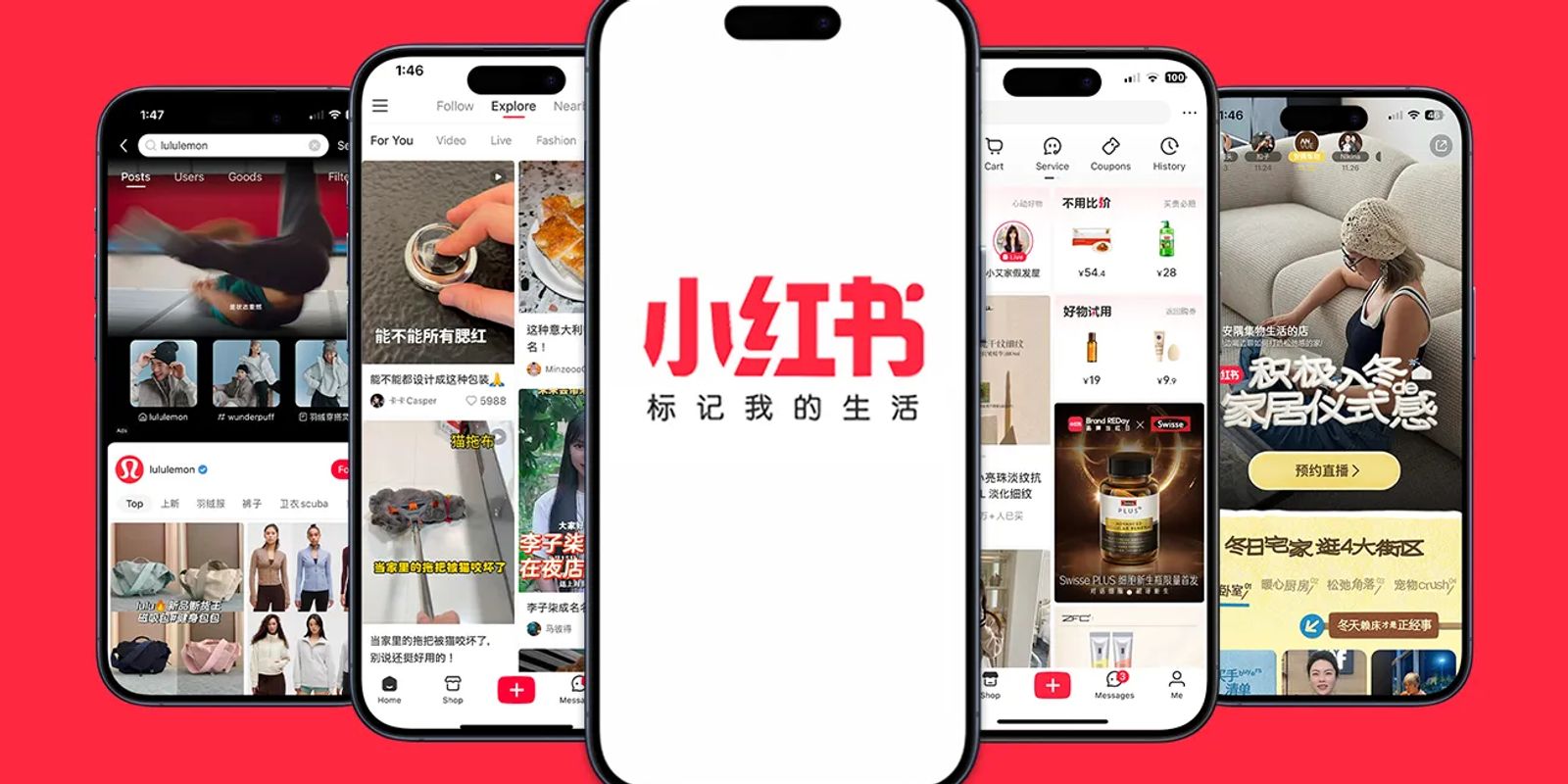
Xiaohongshu (RED) has become one of China’s most influential platforms for product research and brand evaluation. Users actively search for reviews, tutorials, and real-life experiences, making Xiaohongshu influencers highly trusted. Content tends to be detailed, personal, and long-lasting in search results, which aligns closely with consumer research behavior discussed in China Digital Dynamics market insights.
Weibo & WeChat KOLs
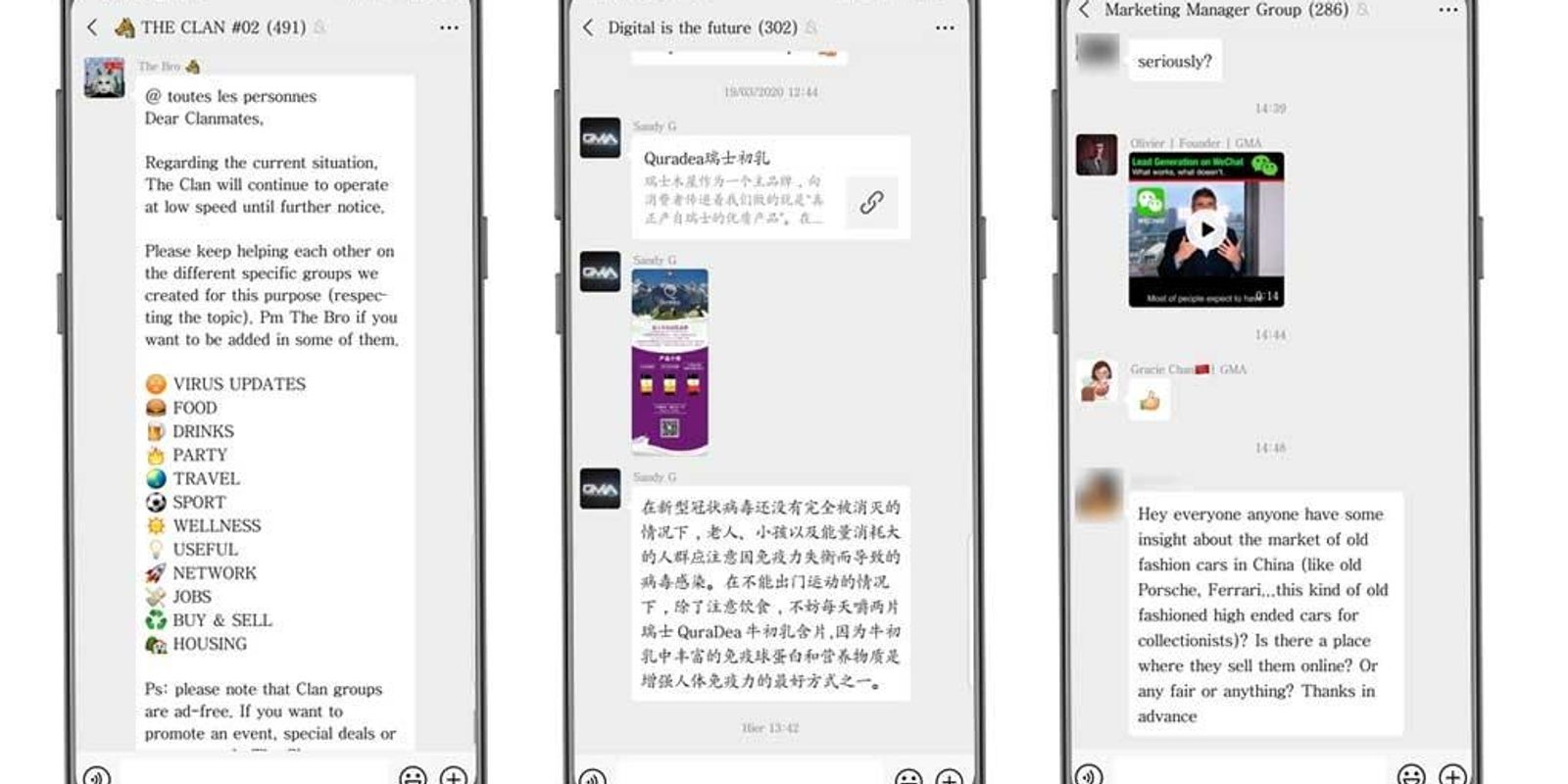
Weibo remains effective for generating buzz, trending topics, and campaign amplification, while WeChat is better suited for long-term engagement and relationship building. WeChat KOLs often operate through articles, newsletters, private groups, and mini-programs, making the platform ideal for premium brands, corporate storytelling, and B2B influencer marketing in China—strategies frequently supported by China Digital Dynamics services.
How to Identify the Right Chinese KOLs for Your Brand
Choosing the right Chinese influencer requires deeper analysis than follower numbers alone. Brands must assess audience demographics, engagement quality, content style, and brand alignment. Influencers with smaller but highly relevant audiences often outperform large accounts with weak engagement, especially when campaigns are informed by localized insights from China Digital Dynamics.
Content history is equally important. Influencers who maintain consistent positioning and selective partnerships tend to deliver stronger results. Long-term collaboration almost always outperforms short-term exposure in China’s trust-driven digital environment, a principle reinforced across multiple case studies on China Digital Dynamics.
The Role of KOCs in China’s Marketing Landscape
KOC marketing in China has grown rapidly as consumers increasingly value authenticity. KOCs influence decisions through relatability rather than authority, and their content often blends naturally into social feeds and platform search results—mirroring organic discovery patterns discussed by China Digital Dynamics.
Brands frequently activate KOCs at scale especially on Xiaohongshu to seed reviews, discussions, and user-generated content. This mirrors how Chinese consumers research products and helps build trust before launching larger KOL campaigns or paid media efforts, an approach commonly integrated into holistic strategies at China Digital Dynamics Services.
Steps to Build an Effective Influencer Marketing Strategy in China
A successful influencer marketing strategy in China starts with clear objectives. Brands should define whether their priority is brand awareness, credibility, lead generation, or direct sales. These goals determine platform choice, influencer mix, and content format, often structured within frameworks developed by China Digital Dynamics.
Once objectives are clear, brands must decide whether to focus on KOLs, KOCs, or a hybrid strategy. Content should be tailored to platform behavior what performs on Douyin may not resonate on Xiaohongshu or WeChat, a nuance explored in depth through China Digital Dynamics insights.
Localization is critical. Influencer content must reflect local language, cultural nuances, and audience expectations. Granting influencers creative freedom often results in more authentic storytelling and higher engagement, especially when supported by localized expertise from China Digital Dynamics.
Budgeting & Pricing for Influencer Marketing in China
Influencer pricing in China varies widely depending on platform, influencer tier, and campaign scope. While top-tier KOLs command high fees, they are not always the most cost-effective option. Many brands achieve better ROI by allocating budgets across mid-tier KOLs and KOCs, an approach often recommended by China Digital Dynamics Services.
Effective budgeting accounts for content production, usage rights, exclusivity, and long-term collaboration potential. Influencer marketing in China should be viewed as a sustained investment rather than a one-off campaign, aligning with long-term market entry strategies outlined on China Digital Dynamics.
Measuring Success: KPIs for Chinese Influencer Campaigns
Performance measurement goes beyond views and likes. Brands should evaluate engagement quality, search visibility, follower growth, and conversion impact. On platforms like Xiaohongshu, content longevity and keyword ranking can be as valuable as immediate traffic, a performance metric frequently highlighted in China Digital Dynamics insights.
Combining platform analytics with broader brand metrics allows marketers to understand both short-term performance and long-term brand equity, ensuring influencer investments align with overarching business goals supported by China Digital Dynamics.
Common Mistakes to Avoid When Working with Chinese Influencers
A common mistake is treating influencer marketing as a simple media buy. Over-controlling messaging, ignoring platform culture, or focusing exclusively on celebrity influencers often undermines results. Running isolated, short-term campaigns without continuity also limits impact, especially in China’s relationship-driven digital environment analyzed by China Digital Dynamics.
Success in influencer marketing in China requires cultural understanding, patience, and continuous optimization based on data principles consistently emphasized across China Digital Dynamics insights.
Final Tips for Running a Successful Influencer Campaign in China
Influencer marketing in China works best when brands think in ecosystems rather than individual posts. Combining KOL influence with KOC credibility, aligning content with platform behavior, and committing to long-term relationship building are key to sustainable success, as demonstrated by integrated strategies from China Digital Dynamics Services.
When approached strategically, influencer marketing does more than promote products it creates trust, shapes brand perception, and embeds brands naturally into China’s digital culture, a long-term vision championed by China Digital Dynamics.