'/%3e%3cpath%20d='M84%20126C60.804%20126%2042%20107.196%2042%2084C42%2060.804%2060.8041%2042%2084%2042L84%20126Z'%20fill='%235546FA'/%3e%3c/svg%3e)
Douyin vs TikTok- What Marketers Need to Know About Their Differences
With short-form video now at the center of global digital strategy, Douyin vs TikTok is no longer a casual comparison it is a critical decision point for brands entering China. At China Digital Dynamics, we’ve supported international brands navigating China’s digital ecosystem since 2015, and we consistently see that misunderstanding what does Douyin mean for China marketing leads to wasted budgets, poor conversion, and failed localization.
Although both platforms are owned by ByteDance and share a similar interface, they operate in completely separate ecosystems. Understanding how Douyin vs TikTok differs in audience behavior, algorithms, monetization, and regulation is essential for brands investing in Chinese social networking sites, influencer marketing, and social commerce strategies powered by complex digital solutions.
Is Douyin the Same as TikTok? Understanding the Basics
A common question from global brands is: what does Douyin actually represent, and is Douyin the same as TikTok?
Despite visual similarities, the answer is no. Douyin is built exclusively for mainland China and operates under strict Chinese data, advertising, and content regulations. TikTok serves international markets and prioritizes global virality and entertainment.
This distinction is critical for brands planning China market entry and developing localized content strategies supported by China-focused marketing services.
The Origin and Evolution of Douyin and TikTok
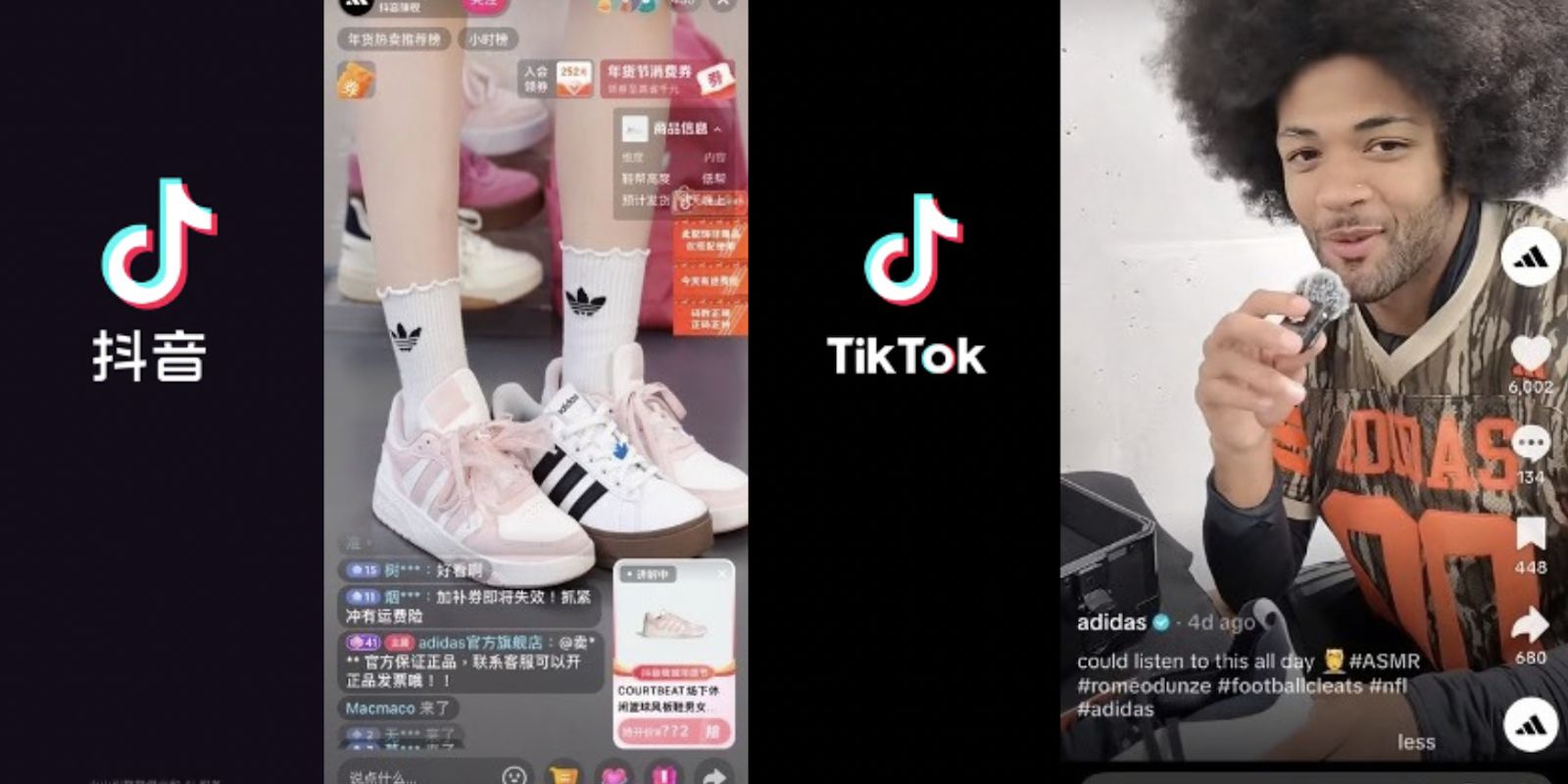
Douyin launched in China in September 2016, originally named A.me before rebranding to better connect with domestic users. Its explosive growth made it one of the most influential Chinese social networking sites, reshaping how users discover brands, entertainment, and even video games in China through short-form content.
By 2025, Douyin surpassed:
- 750 million monthly active users
- 400 million daily active users
TikTok launched globally in 2017 and merged with Musical.ly in 2018, becoming a global entertainment platform. While TikTok focused on trends and creator culture, Douyin evolved into a commerce-driven ecosystem integrating AI, search, content, and transactions a shift we’ve observed firsthand while managing cross-border campaigns at China Digital Dynamics.
Key Differences Between Douyin and TikTok
Platform Ownership and Market Separation
Both platforms are owned by ByteDance but operate independently. Douyin stores data within China to comply with cybersecurity laws, while TikTok data is managed outside mainland China. This separation enables localized evolution aligned with regulatory requirements a core pillar of China-specific digital strategy.
Content Algorithms and Discovery Models
- TikTok algorithm: Entertainment, watch time, virality
- Douyin algorithm: Purchase intent, livestream engagement, product clicks, and local relevance
This makes Douyin fundamentally performance-driven and central to China’s social commerce landscape, as outlined in China Digital Dynamics’ market insights.
User Demographics and Behavior
Douyin users actively seek:
- Product reviews
- Discounts and promotions
- Livestream shopping
- Educational and lifestyle content
In contrast, TikTok users are globally diverse and primarily entertainment-focused, reinforcing why TikTok-first strategies rarely succeed without localization in China.
Content Formats and Features
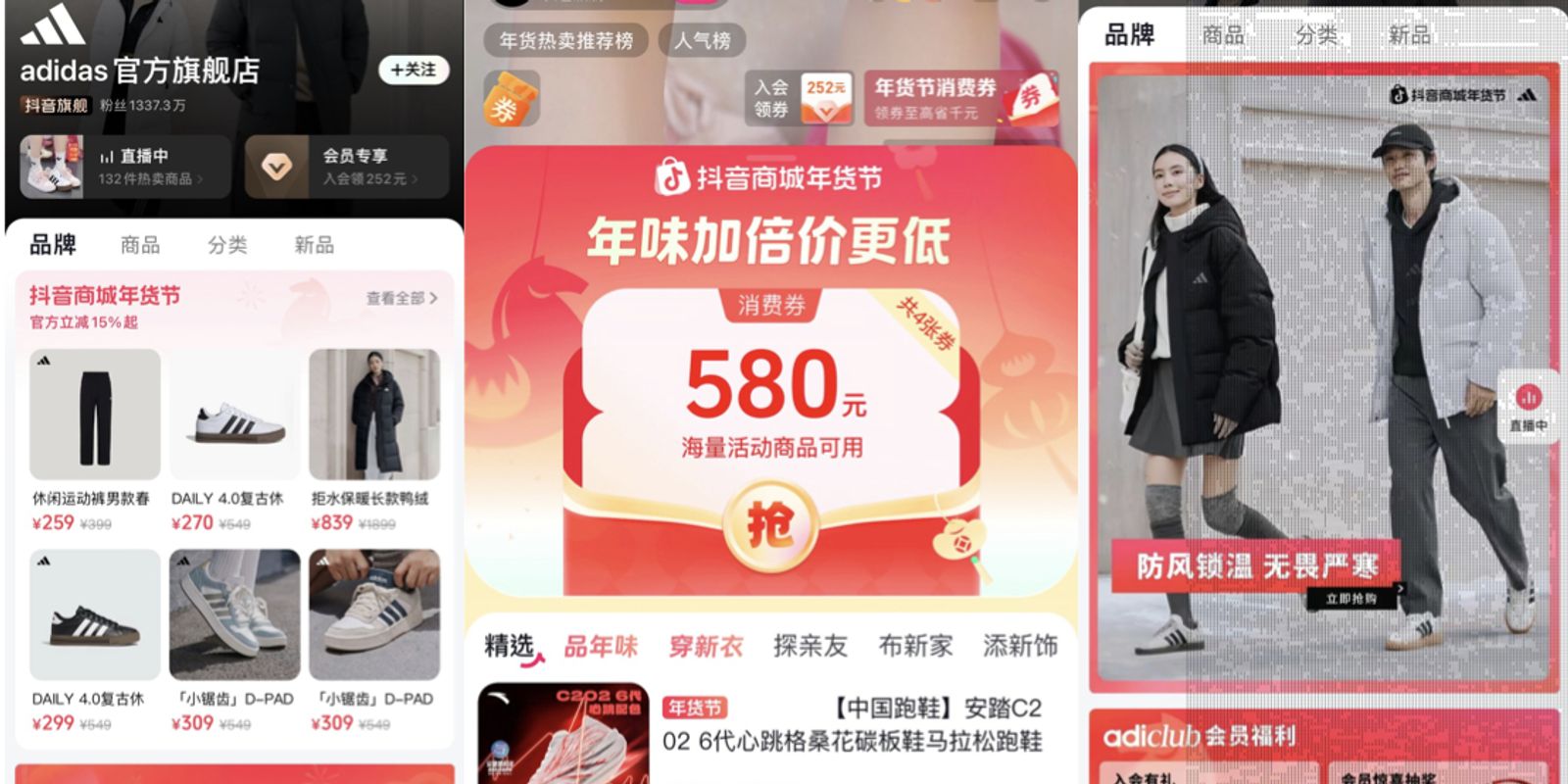
Douyin offers features TikTok does not:
- Native e-commerce storefronts
- Mini-program integrations
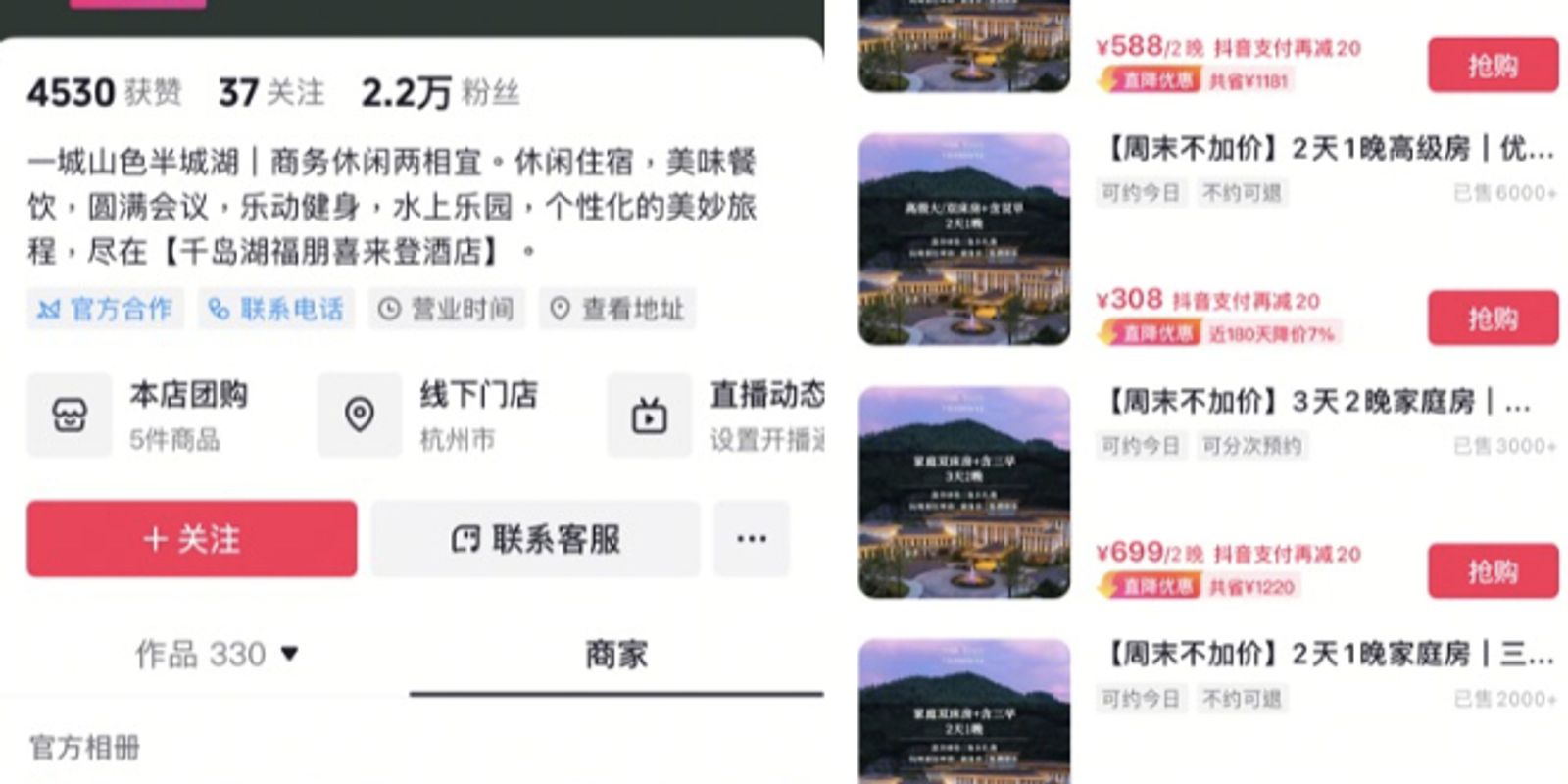
- Group-buying functionality
- Location-based discovery
- Advanced livestream shopping tools
These features make Douyin indispensable for brands targeting Chinese consumers through full-funnel digital services.
Douyin vs TikTok for Content Marketing
Content Strategy Differences for China vs Global Markets
In China content marketing, simply repurposing TikTok content almost never works. Douyin demands cultural nuance, commercial relevance, and platform-native storytelling principles highlighted in China Digital Dynamics’ influencer and creator insights.
Short-Form Video Trends on Douyin
High-performing Douyin content includes:
- Product demos and tutorials
- Consumption-driven lifestyle vlogs
- KOL-led livestream shopping
- User-generated reviews
These trends align with broader sector strategies, including tourism and hospitality brands succeeding through localized China campaigns.
What Works on TikTok but Fails on Douyin
Dance challenges, memes, and celebrity-led entertainment often underperform on Douyin. Chinese users prioritize practical value, promotions, and livestream commerce reinforcing Douyin’s role as a conversion engine rather than a pure entertainment platform.
Advertising and Monetization: Douyin vs TikTok
Douyin Advertising Options
- In-feed ads
- Brand takeovers
- Search ads
- Livestream sponsorships
- E-commerce conversion ads
Douyin’s targeting is behavior- and purchase-driven, making it ideal for performance marketing when executed through China-specialist agencies.
TikTok Ads vs Douyin Ads: Budget and ROI
While TikTok ads may have lower entry costs, Douyin campaigns though requiring higher localization investment typically deliver superior transactional ROI in China.
Why Douyin Matters for Chinese Content Marketing
Douyin is more than a social platform it’s a complete e-commerce ecosystem. Its influence is foundational to modern Chinese content marketing strategies, offering unparalleled access to mobile-first, purchase-ready consumers through integrated digital solutions.
Chinese Apps Like TikTok: Where Douyin Fits
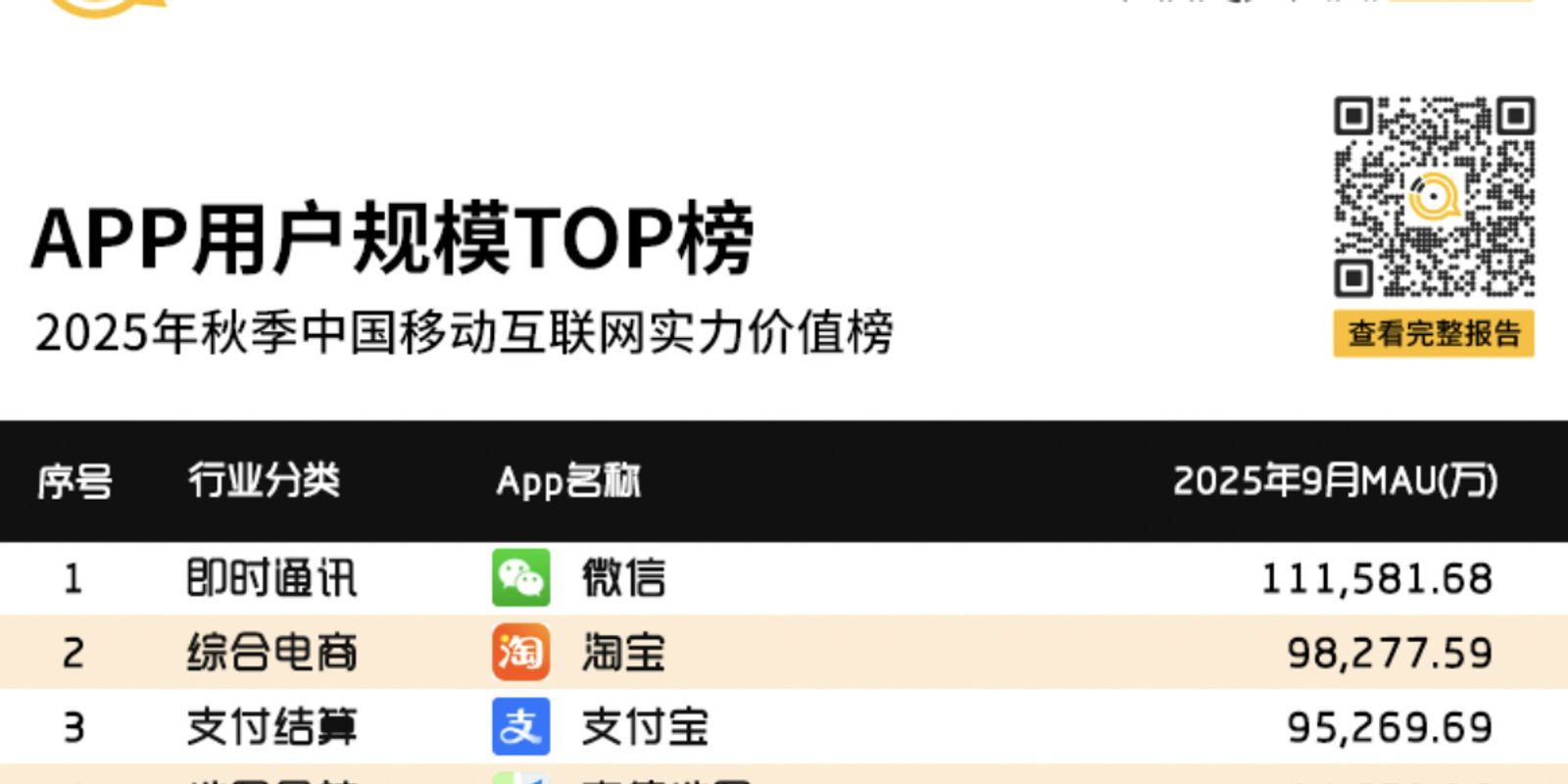
Among Chinese apps like TikTok, Douyin stands out for seamlessly integrating entertainment, influencer marketing, and social commerce. While Xiaohongshu, Bilibili, and WeChat complement the ecosystem, none match Douyin’s scale or conversion power an advantage consistently emphasized by China Digital Dynamics.
Challenges for US Brands Marketing on Douyin
US brands face regulatory complexity, censorship rules, IP protection concerns, and cultural gaps. Without proper localization and compliance expertise, campaigns struggle making local partnership essential for sustainable success in China.
How US Brands Can Succeed on Douyin
Localized Content & Cultural Adaptation
Winning on Douyin requires cultural fluency, trend monitoring, and storytelling tailored to Chinese audiences.
Working with KOLs and Influencers
Influencer marketing remains central to Douyin success, enhancing trust, reach, and conversion when aligned with platform-native strategies.
Partnering with a China Marketing Agency
Collaborating with a local agency ensures regulatory compliance, optimized ad spend, and access to China’s creator ecosystem through specialized China marketing services.
Douyin vs TikTok: Which Platform Should Your Brand Use?
TikTok excels at global brand awareness. Douyin is essential for brands targeting China through e-commerce, influencer marketing, and livestream commerce. Platform choice should align with business objectives and market focus.
Final Thoughts: Choosing the Right Platform for China Market Entry
While Douyin vs TikTok share technological roots, their ecosystems are fundamentally different. For China content marketing, Douyin offers unmatched opportunities for engagement, trust-building, and conversion.
At China Digital Dynamics, we view Douyin not simply as a social platform—but as China’s most powerful digital growth engine. Brands that invest in localization, influencer strategy, and compliance are best positioned to win in China’s evolving digital economy.