'/%3e%3cpath%20d='M84%20126C60.804%20126%2042%20107.196%2042%2084C42%2060.804%2060.8041%2042%2084%2042L84%20126Z'%20fill='%235546FA'/%3e%3c/svg%3e)
What Is Tmall? The 2026 Guide to China’s Largest B2C Marketplace
If your company is expanding into China, understanding what is Tmall is essential.
What is Tmall? Tmall (天猫), operated by Alibaba Group, is China’s largest B2C e-commerce marketplace dedicated to established domestic and international brands. Unlike Amazon, Tmall is deeply integrated into China’s social media platforms, digital payments, content ecosystems, and logistics networks making it a core infrastructure layer in modern China digital marketing.
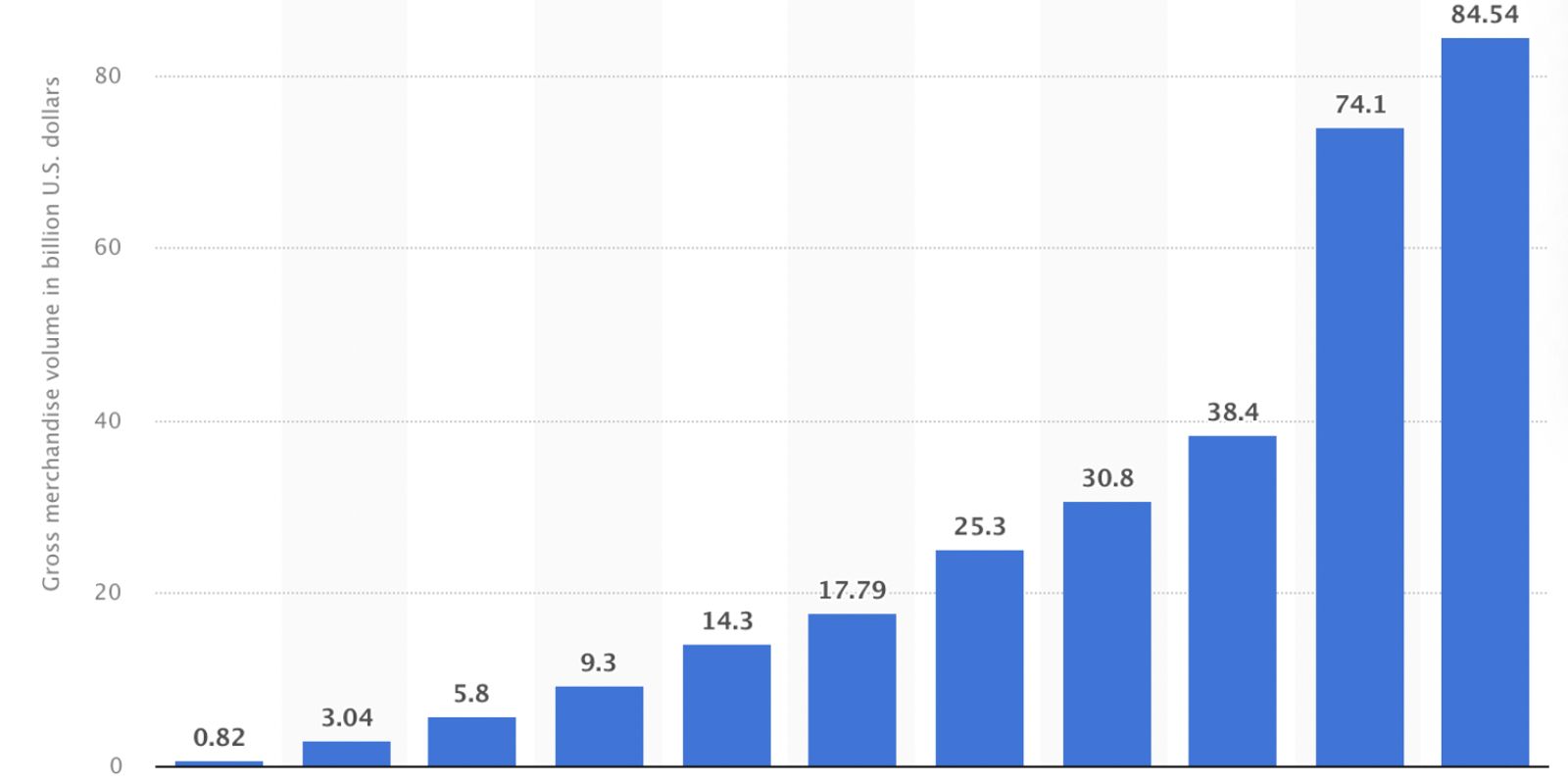
According to Alibaba Group’s FY2025 Annual Report, Taobao and Tmall Group remained the largest retail commerce business in the world by gross merchandise volume (GMV) .
China now has 1.1+ billion internet users, and e-commerce accounts for approximately 27% of total retail sales, the highest penetration rate globally.
As of 2025:
- 900+ million active online shoppers
- 80–90% of transactions completed via mobile
- 500+ million monthly livestream commerce users
- 112,830 billion yuan in online retail sales (first nine months of 2025)
China is no longer just an online retail market it is a fully integrated digital commerce ecosystem. Understanding how Tmall connects with WeChat, Douyin, and Xiaohongshu is critical to building a scalable cross-platform strategy China brands rely on in 2026.
China 2016 vs 2026: A Quick Look
Metric
2016
2026 (Est.)
Total E-Commerce Sales
~$750 billion USD
$3.5–4+ trillion USD
Online Retail Penetration
~50% of internet users
85%+ of internet users
Mobile Commerce Share
~60% of online sales
92%+ of online sales
Cross-Border E-Commerce Parcels
~1 billion/year
6–7+ billion/year
Internet Users
~730 million
1.1–1.15 billion
Sources: Statista, CNNIC, China Ministry of Commerce
The shift illustrates how digital commerce has evolved from adoption to ecosystem orchestration.
What Is Tmall in Simple Terms?
Tmall is Alibaba’s premium B2C marketplace where verified brands operate official flagship stores and sell directly to Chinese consumers.
Unlike Taobao (C2C and price-driven), Tmall emphasizes:
- Brand authenticity
- Premium shopping experience
- Strict merchant verification
- Customizable storefront design
- Advanced data analytics integration
A presence on Tmall is widely perceived as a validation of quality and legitimacy in China.
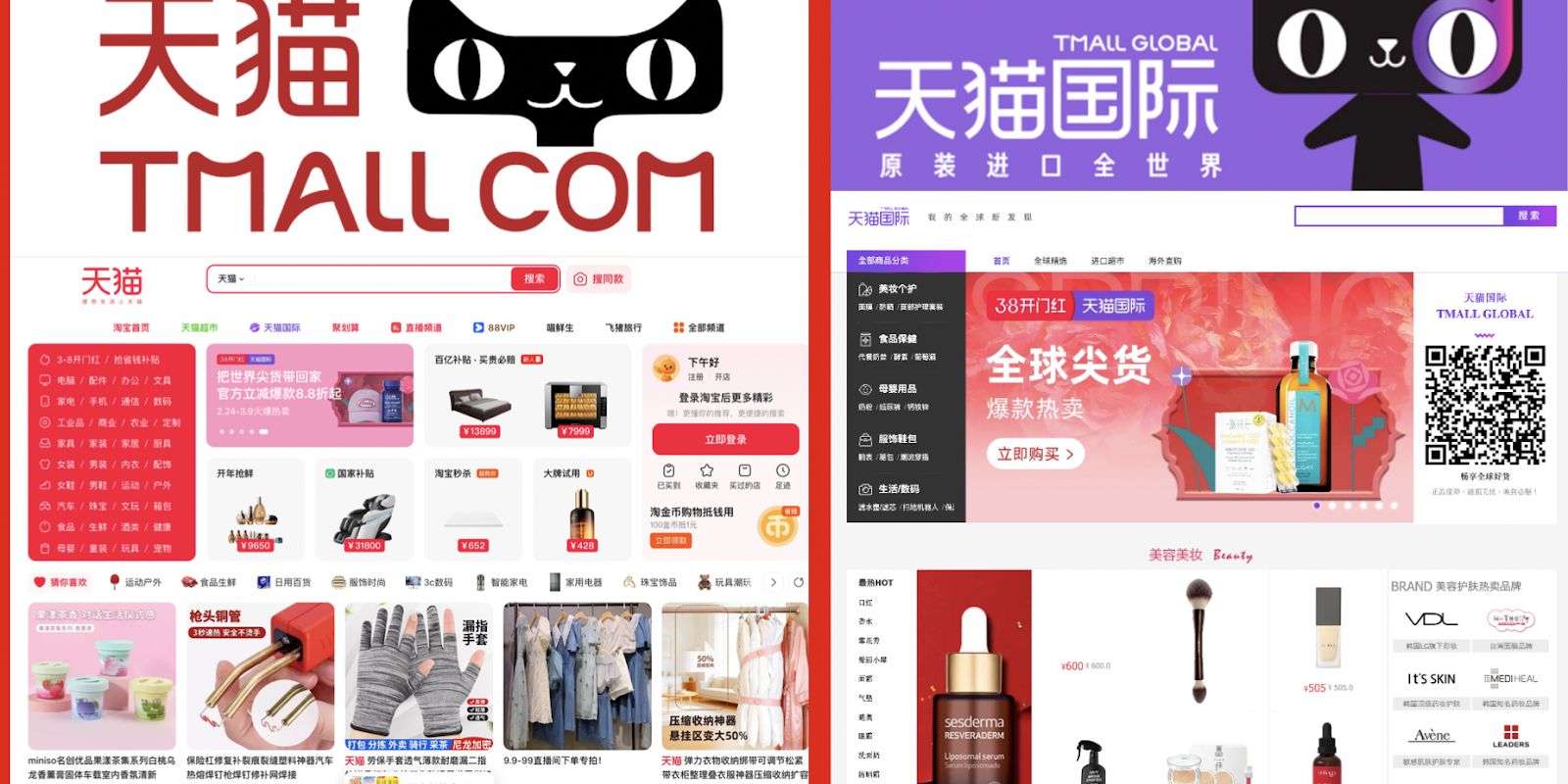
Tmall Within Alibaba’s Commerce Ecosystem
Taobao and Tmall Group consists of:
China Commerce Retail
- Taobao
- Tmall
- Tmall Global
- Tmall Supermarket
- Xianyu
China Commerce Wholesale
- 1688.com (China’s largest integrated domestic wholesale marketplace by net revenue, according to Analysys FY2025)
Taobao acts as the discovery and traffic funnel, while Tmall functions as the premium branded conversion layer.
Consumers across top-tier cities and emerging markets use Taobao for browsing and Tmall for trusted purchases powered by Alibaba’s AI-driven recommendation systems, fulfillment expertise, and supply chain infrastructure.
A Visual Timeline of Tmall’s Evolution
2008 — Tmall launched2010 — Separated from Taobao for branded B2C focus2014 — Tmall Global introduced for cross-border commerce2017 — Tmall Luxury Pavilion launched2019 — Livestream commerce integration expanded2022 — AI-powered personalization upgrades2025 — Confirmed as part of world’s largest retail commerce group by GMV2026 — Fully integrated into short-video and private traffic ecosystems
This evolution reflects how Tmall transformed from a marketplace into a central engine of China digital marketing.
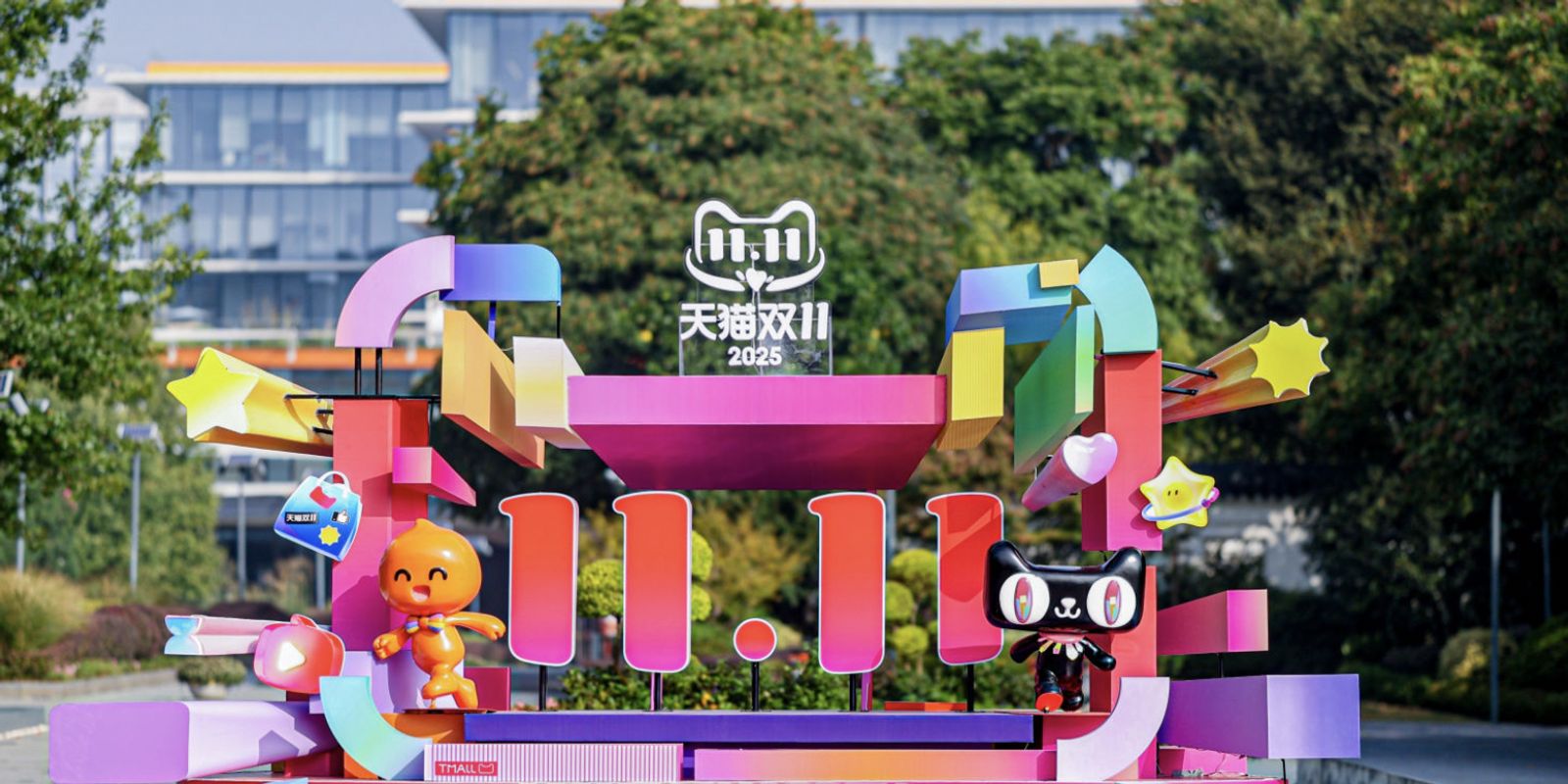
Double 11 (11.11) Case Study: Tmall’s Commercial Power
To fully answer what is Tmall, one must examine Double 11 — the world’s largest online shopping festival.
In 2021, Alibaba reported RMB 540.3 billion GMV during Double 11. Although full GMV disclosures were discontinued after 2022, Alibaba confirms continued leadership in retail GMV.
Double 11 demonstrates:
- AI-powered personalization
- Livestream commerce at scale
- Omnichannel orchestration
- Private traffic re-engagement
- Data-driven retargeting
- Xiaohongshu product seeding
- Douyin livestream traffic generation
- WeChat CRM nurturing
- Tmall flagship conversion
Tmall is the final monetization layer within a broader ecosystem. Other major campaigns include 618 (mid-year) and 12.12.
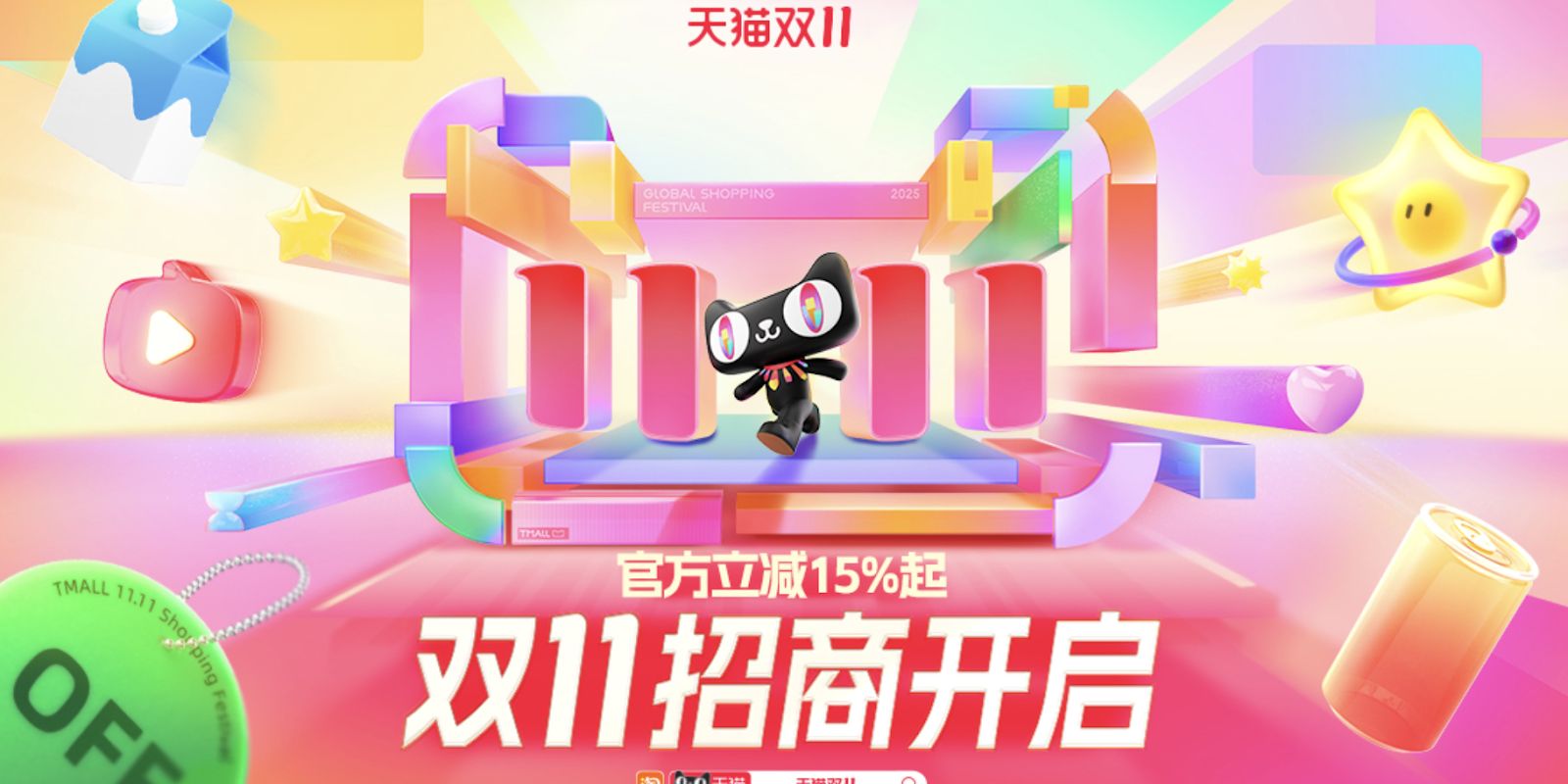
Luxury Brands and Tmall Luxury Pavilion
Luxury brands now view Tmall as a strategic digital flagship channel.
Tmall Luxury Pavilion collaborates with 200+ global brands, including Cartier, Gucci, Burberry, Prada, and brands under LVMH, Kering, Chanel, Hermès, and Richemont.
Features include:
- Invitation-only access
- Custom storefront UI
- AI segmentation
- AR & 3D technology
- Livestream luxury showcases

Case Study: Cartier’s Double 11 Success
- Custom engraving, gift wrapping, white-glove delivery
- Taobao Live event attracted 770,000+ viewers and surpassed RMB 100 million in transactions
- Leveraged data-driven targeting, premium storytelling, AI personalization, and optimized UX
Luxury brands use Tmall to scale digitally without compromising brand equity.
Tmall Global: Gateway for International Brands
Tmall Global, launched in 2014, allows foreign brands to sell in China without establishing a local legal entity, using bonded warehouse cross-border e-commerce models.
Benefits:
- Faster market entry
- Lower regulatory complexity
- Access to consumer data
- Market testing before domestic setup
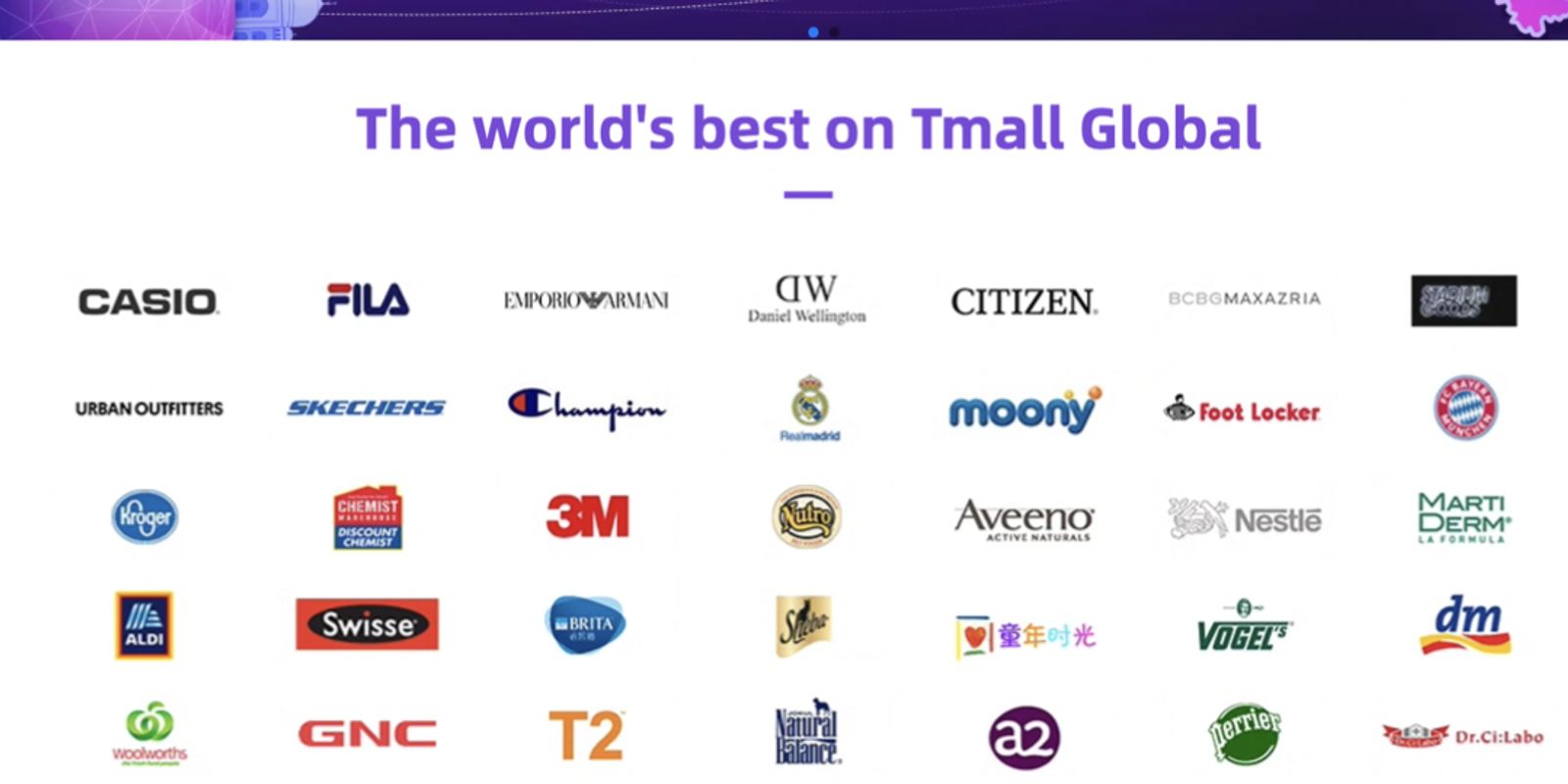
Tmall Global remains a leading import e-commerce platform, especially for beauty, wellness, and nutrition brands entering China for the first time.
Chinese Audience Insights (2026 Trends)
Chinese consumers expect:
- Mobile-first payments (Alipay, WeChat Pay)
- Social proof before purchase
- Influencer validation
- AI-powered recommendations
- Livestream interaction
AI Innovation on Tmall & Taobao
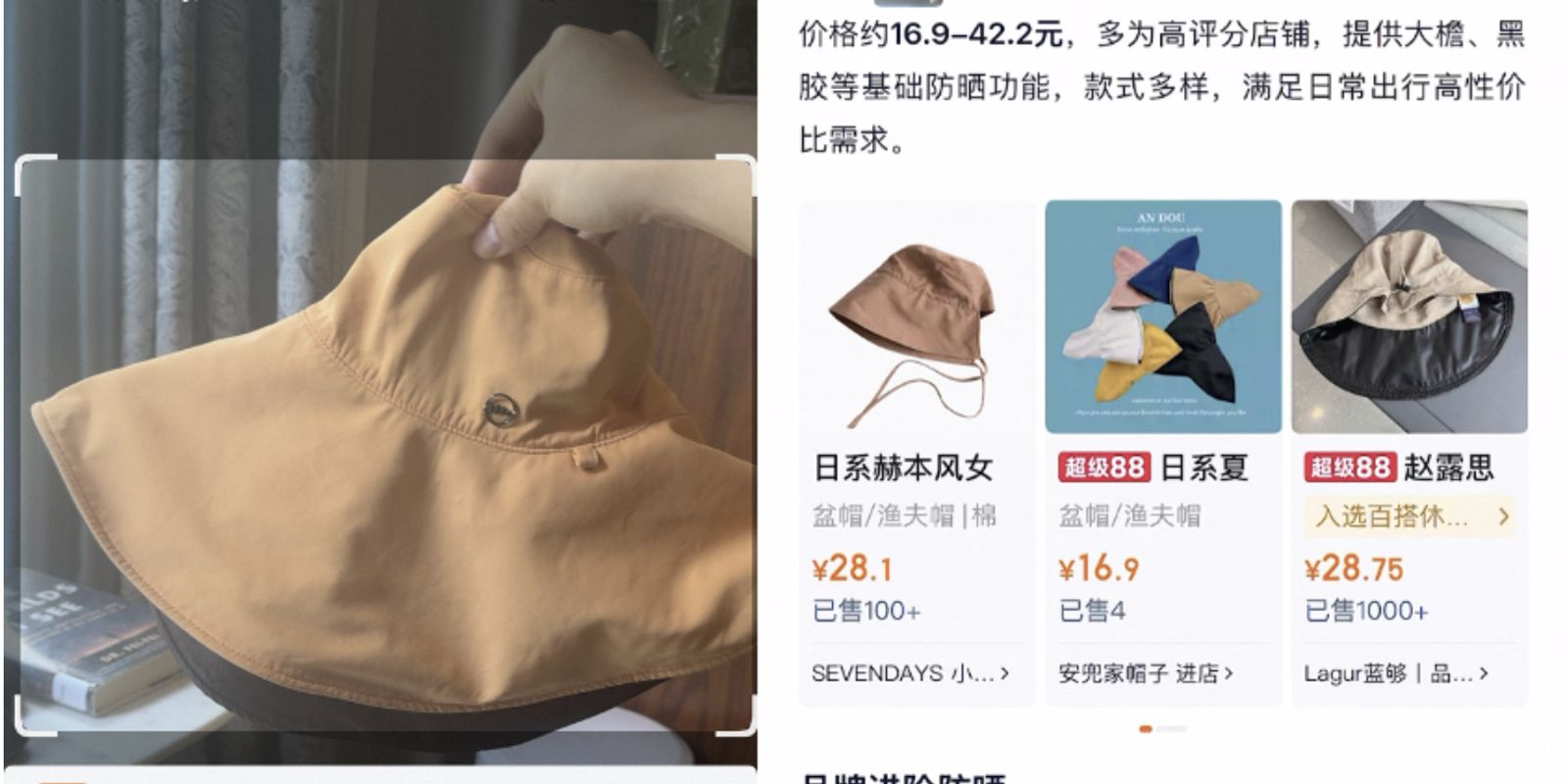
Alibaba’s AI now powers search, personalization, and conversion. The upgraded “Pai Li Tao” visual search enables consumers to:
- Upload images for instant product matches
- Compare price tiers
- Extract text from packaging
- Receive intelligent recommendations
Advanced AI tools drive:
- Personalized feeds
- 24/7 AI chatbots
- Smart logistics optimization
- Predictive delivery
Over 70% of purchases are influenced by AI-driven recommendations.
Tmall vs JD.com vs Pinduoduo
Platform
Tmall
JD.com
Pinduoduo
Model
B2C Brand Marketplace
Direct + Marketplace
Social Group Buying
Positioning
Premium Brands
Logistics Strength
Price-Driven
Ideal For
Brand Equity
Electronics
Mass FMCG
For premium positioning and global brand entry, Tmall remains preferred.
Compliance & Trust Signals
Brands operating on Tmall must comply with:
- China Advertising Law
- Platform merchant rules
- Cross-border tax regulations
For SEO and E-E-A-T strength, brands should maintain:
- Transparent About page
- Contact page
- Legal disclosures
- Updated compliance documentation
Final Thoughts: Why Understanding What Is Tmall Matters in 2026
Tmall is the backbone of China’s digital commerce ecosystem. With the market projected to exceed $3.5–4 trillion USD by 2026, Tmall functions as:
- A B2C marketplace
- Brand validation platform
- AI-powered data engine
- Conversion hub
Since 2015, China Digital Dynamics has advised international brands on entering the Chinese market through structured, compliant, and data-driven strategies. If you want to have more pieces information about advertising on Tmall, feel free to contact us.
Brands must move beyond treating platforms as identity and instead build scalable, cross-platform ecosystems:
- Xiaohongshu: shape taste, validate products, route traffic
- Douyin: scale hero SKUs, compress the funnel
- Kuaishou: reach beyond coastal premium markets
- Xianyu: monitor resale, understand Gen Z preferences
- Tmall: own membership, governance, service, and the “serious purchase” mindset
In 2026, entering China is no longer about simply launching a store it’s about designing a scalable, compliant, data-driven ecosystem strategy centered on Tmall.