'/%3e%3cpath%20d='M84%20126C60.804%20126%2042%20107.196%2042%2084C42%2060.804%2060.8041%2042%2084%2042L84%20126Z'%20fill='%235546FA'/%3e%3c/svg%3e)
What Is a KOC? Understanding China’s Key Opinion Consumer Strategy
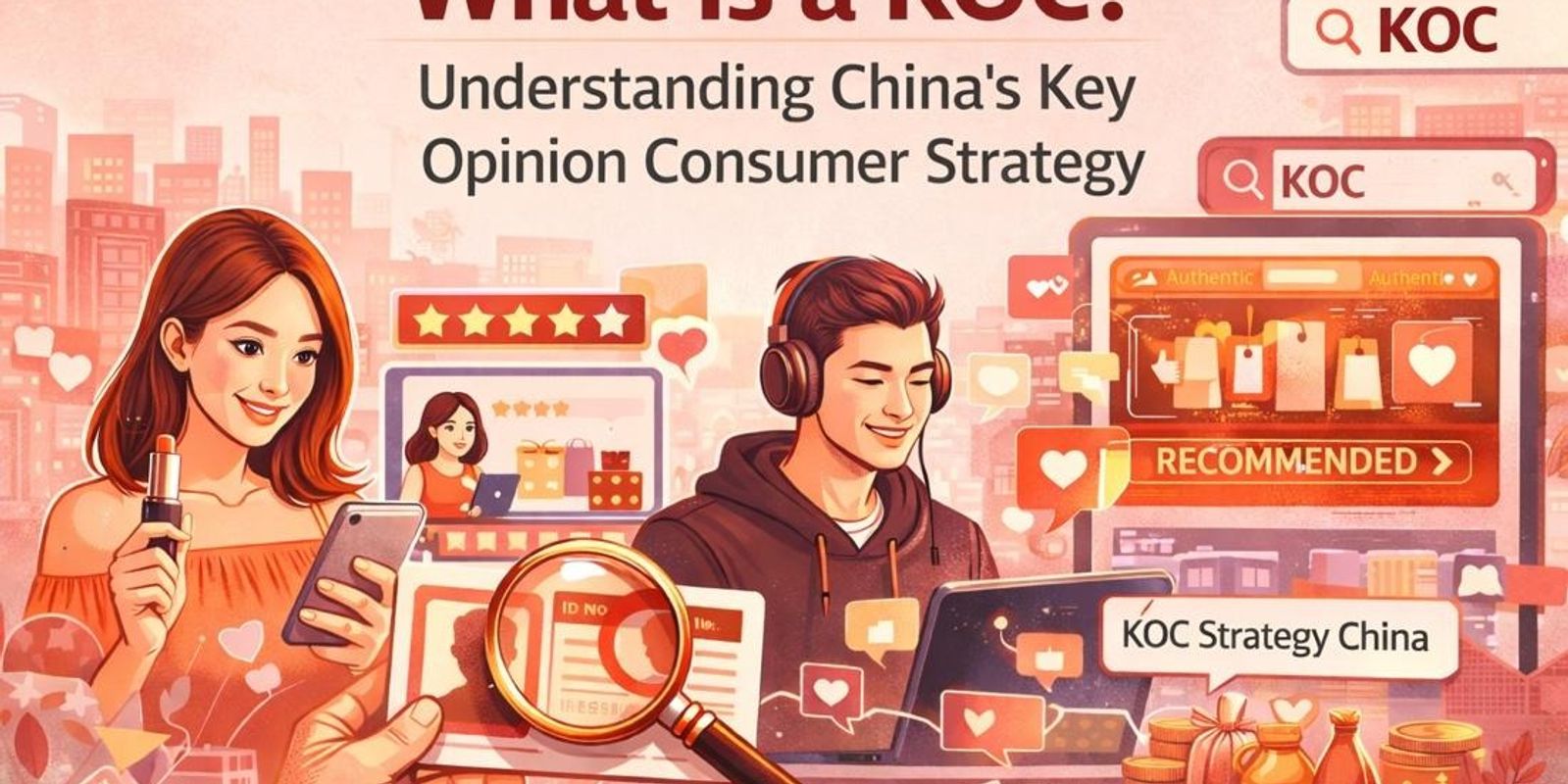
China’s digital marketing ecosystem evolves rapidly and few trends have reshaped brand strategy more than the rise of the KOC strategy China model.
If you’re asking what is KOC, the answer reflects a major shift in consumer influence. KOCs, or key opinion consumers, are everyday buyers whose authentic product experiences influence purchasing decisions across social platforms.
Unlike celebrity influencers or large-scale KOLs (Key Opinion Leaders), KOCs operate within smaller communities and social commerce environments. Their power lies not in massive reach, but in credibility and trust.
As Chinese consumers increasingly rely on peer validation rather than traditional advertising, koc marketing has become one of the most effective strategies for building brand trust and driving conversion in China’s social commerce ecosystem.
What Is a KOC? Definition and Strategic Role
A Key Opinion Consumer (KOC) is a real consumer who shares personal experiences, product reviews, and recommendations online.
Unlike professional influencers, KOCs are typically ordinary users who genuinely purchase and test products. Their content reflects real usage rather than polished brand messaging.
A successful koc strategy China focuses on generating large volumes of authentic user-generated content (UGC) that builds social proof and credibility.
This strategy often relies on:
- Real purchase experiences
- Honest product reviews
- Relatable storytelling
- Community engagement and discussion
Because KOCs resemble trusted peers rather than professional marketers, their recommendations often carry stronger purchasing influence.
Why China’s Digital Ecosystem Gave Rise to KOC Marketing
China’s unique digital environment has accelerated the growth of koc marketing.
Several structural factors explain why the KOC strategy China model has become so powerful.
Social Commerce Integration
Chinese platforms combine content discovery and e-commerce transactions seamlessly.
Apps like Xiaohongshu, Douyin, and WeChat allow users to discover products through reviews and purchase them instantly.
This content-commerce integration makes peer recommendations extremely influential.
Consumer Trust in Peer Reviews
Chinese consumers increasingly rely on authentic product experiences shared by other users rather than traditional advertising.
This shift has made key opinion consumers a crucial driver of brand discovery.
Algorithm-Driven Content Discovery
Platform algorithms reward engaging, authentic content. Posts that look overly promotional often perform worse than genuine user experiences.
As a result, koc marketing content often spreads more organically than branded advertising.
Growth of Private Traffic Communities
WeChat groups, brand communities, and niche online forums enable micro-communities where trust-based recommendations thrive.
Together, these elements create ideal conditions for scalable koc strategy China campaigns.
How KOC Strategy China Works in Practice
A successful KOC strategy typically follows a structured activation model:
- Product Seeding Campaigns: Brands distribute products to carefully selected consumers aligned with target demographics. These participants share real usage experiences across platforms.
- UGC Amplification: Authentic content is boosted through paid traffic, search optimization, or reposting within brand-owned channels.
- Community Engagement: KOCs interact with followers by answering questions and sharing additional feedback.This interaction reinforces trust and strengthens the peer recommendation effect.
- Social Proof Loop: As content accumulates, search results and recommendation feeds increasingly display peer validation, strengthening conversion rates.
Brands frequently activate hundreds of micro-reviewers before product launches to create the perception of organic popularity.
KOC vs KOL vs Influencer: Strategic Differences
Understanding the differences between influencer tiers is critical for marketers.
Category
Typical Audience Size
Key Strength
KOL (Key Opinion Leader)
Large audiences
Brand awareness
Influencer
Medium audiences
Lifestyle marketing
KOC (Key Opinion Consumer)
Small communities
Authentic product reviews
While KOLs generate visibility and reach, key opinion consumers often drive final purchasing decisions.
Many brands now combine the two approaches:
- KOLs and influencers create attention
- KOCs build trust and conversion
Platforms Where KOC Marketing Thrives
Several Chinese platforms play a central role in the success of koc marketing campaigns.
Xiaohongshu (RED): Often described as a hybrid between social media and product reviews, Xiaohongshu is one of the most important platforms for key opinion consumers.
Authentic product reviews and tutorials frequently rank highly in search results.
Douyin: Short-form video content on Douyin enables KOCs to demonstrate real product usage, making it a powerful platform for discovery and impulse purchases.
WeChat Ecosystem: Through WeChat, brands build private communities and micro-traffic groups, where KOCs influence purchasing decisions within trusted networks.
E-commerce Live Platforms: KOCs sometimes transition into small-scale livestream hosts, blending peer trust with real-time selling.
KOC Live Streaming Trends and Market Growth
One of the fastest-growing areas of KOC marketing is livestream commerce.
China’s livestream e-commerce market has expanded dramatically, reaching nearly 5 trillion yuan in 2023 and projected to surpass 8 trillion yuan by 2026.
Platforms such as Xiaohonshu, Douyin and Taobao Live have become central hubs for livestream shopping.
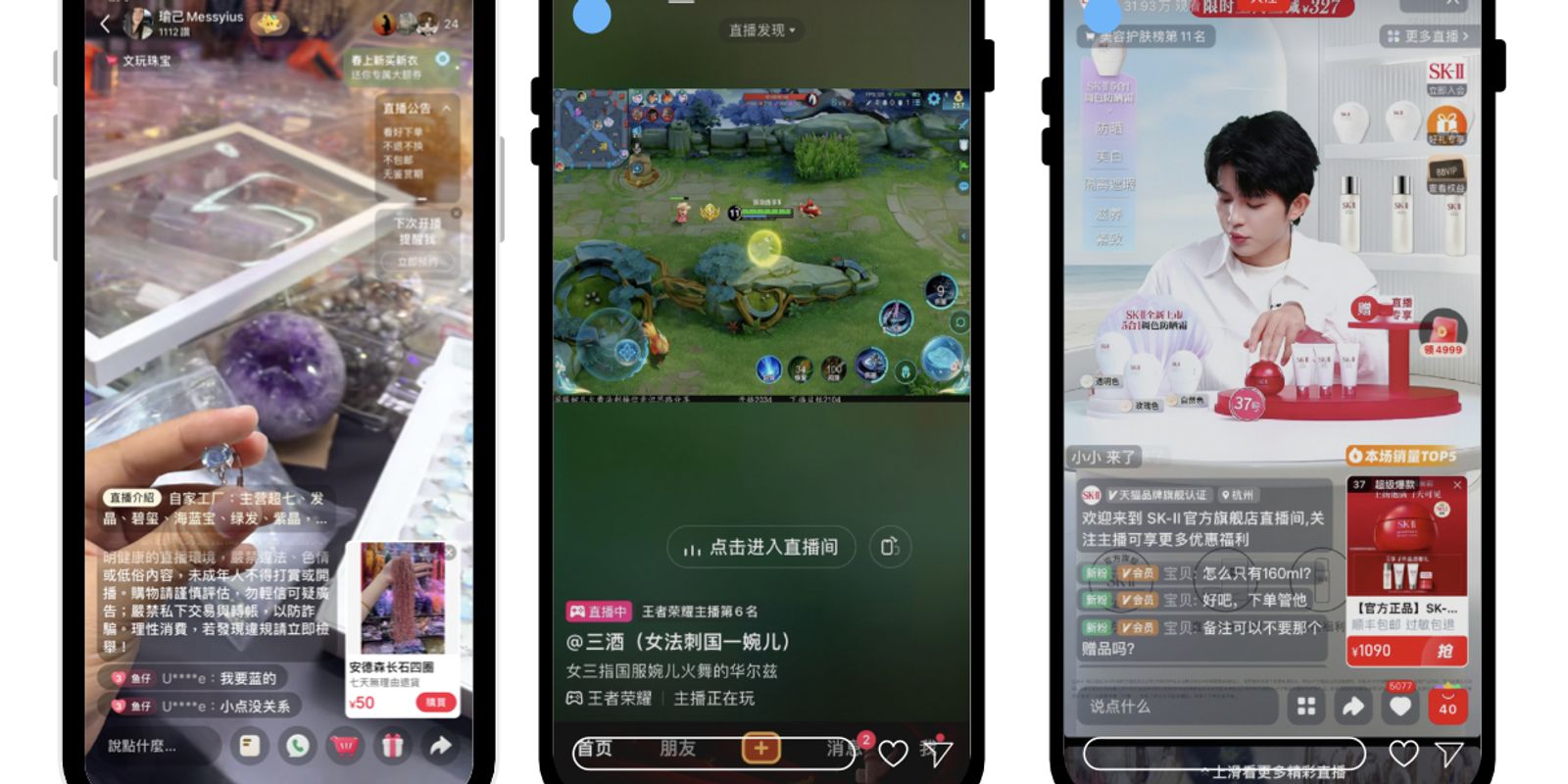
Recent market trends show that micro-creators and key opinion consumers are increasingly participating in livestream selling.
Unlike celebrity influencers, KOC livestream hosts typically demonstrate products in more casual and relatable formats, which strengthens trust and engagement.
On Douyin, livestream commerce now contributes a significant share of total platform e-commerce sales. Many brands are shifting from celebrity-driven livestreams to brand-operated sessions hosted by smaller creators or internal staff.
A typical koc strategy China livestream funnel may include:
- Product seeding to hundreds of KOCs
- User-generated review posts on social platforms
- Micro livestream demonstrations
- Community discussion and purchasing within private groups
This multi-layered approach creates both product discovery and consumer trust, which significantly improves conversion rates.
Measuring Success in KOC Marketing Campaigns
Effective KOC marketing campaigns require clear performance metrics.
Common KPIs include:
- engagement rates (comments, shares, saves)
- conversion rates from content to purchase
- cost per acquisition (CPA)
- sentiment analysis
- volume of organic brand mentions
Unlike traditional advertising, the impact of key opinion consumers often compounds over time as review content accumulates across search results and recommendation feeds.
Case Studies: Brands Winning with KOC Strategy in China
Several brands demonstrate how an effective KOC strategy China approach drives real results across industries.
Beauty: Perfect Diary

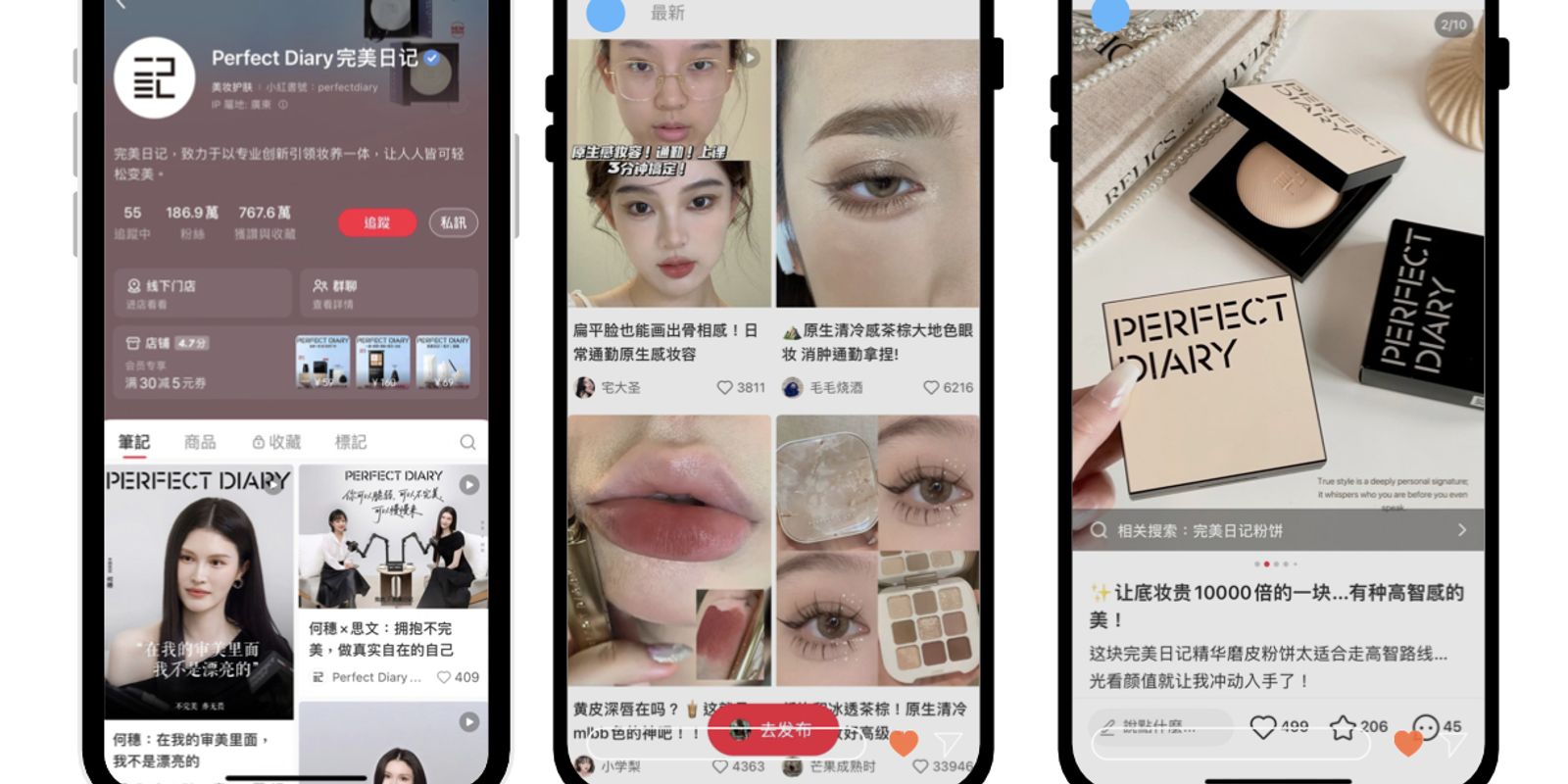
The cosmetics brand scaled rapidly by seeding products to thousands of everyday users on Xiaohongshu. These key opinion consumers shared authentic swatches and reviews, creating massive searchable UGC volume. The result: stronger social proof and higher conversion rates without overreliance on celebrity KOLs.
3C Products: Samsung
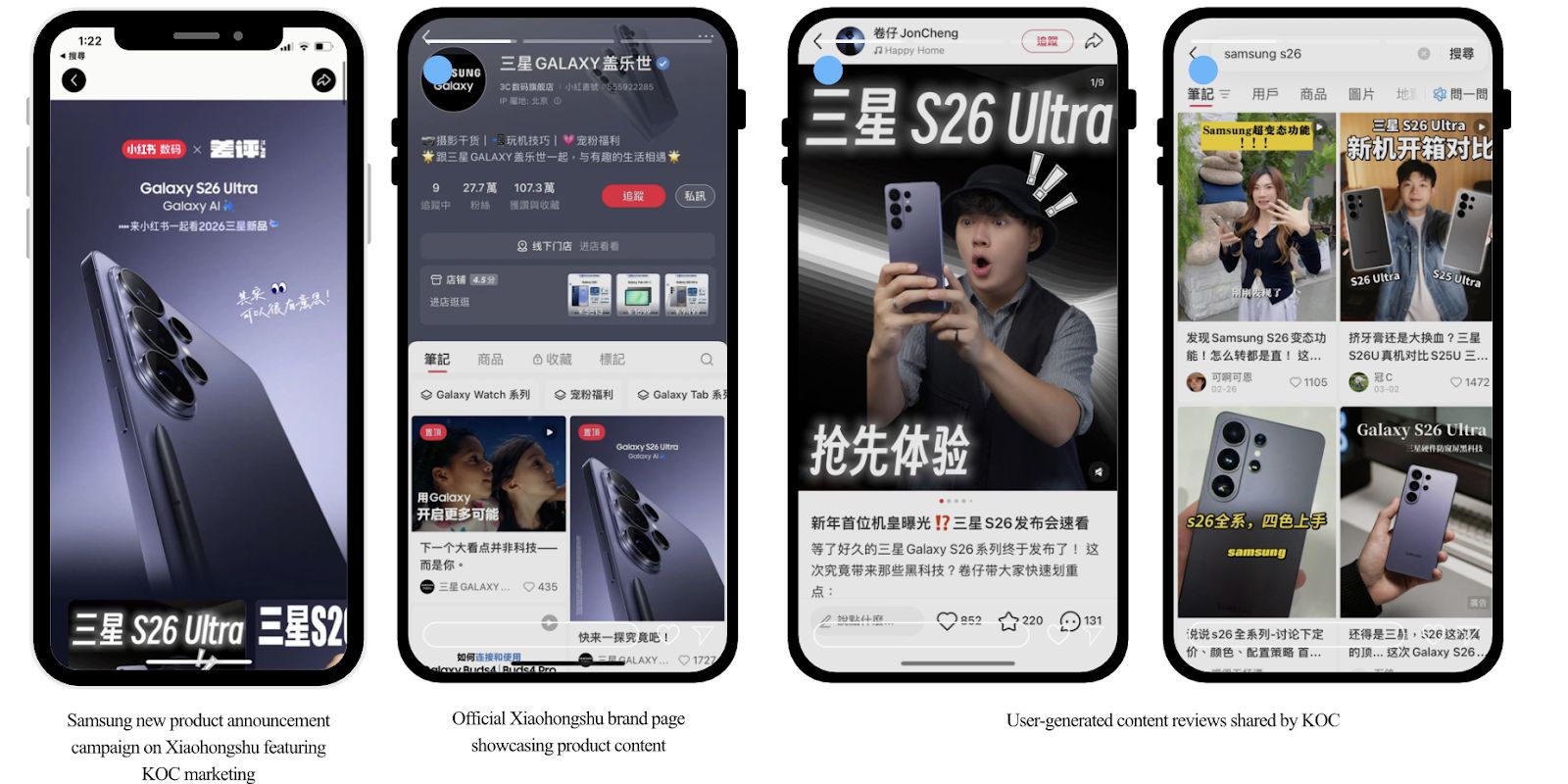
Samsung launched a new product and quickly activated a marketing campaign on Xiaohongshu to build brand awareness and consumer trust in a short period of time. The campaign collaborated with KOCs from diverse industries—including designers, fashion creators, and tech influencers—to generate authentic user-generated content (UGC). By sharing real product experiences, reviews, and demonstrations, these key opinion consumers increased product visibility, strengthened social proof, and accelerated product discovery among Xiaohongshu users. Peer recommendations within niche communities further boosted engagement, encouraged repeat purchases, and reinforced trust in the Samsung brand.
Gaming: Honor of Kings

Tencent supported everyday gamers and small streamers to share gameplay clips and strategy tips. This KOC-style engagement increased community interaction and improved player retention during competitive seasons.
Common Mistakes in KOC Marketing
While the KOC strategy China model is powerful, execution risks exist.
Overprioritizing Quantity Over Quality: Flooding platforms with low-effort content can reduce credibility.
Lack of Audience Alignment: KOCs must match the brand’s target demographic and lifestyle positioning.
Ignoring Compliance and Disclosure: Transparent partnerships are essential to maintain trust and platform compliance.
Failure to Integrate Insights: KOC feedback often provides valuable product development intelligence. Brands that ignore this miss long-term gains.
The Future of KOC Strategy China
While koc marketing can be highly effective, several common mistakes can limit results.
Prioritizing Quantity Over Quality
Large volumes of low-quality content can damage credibility.
Misaligned Consumer Profiles
KOCs must reflect the target audience’s lifestyle and interests.
Lack of Transparency
Undisclosed partnerships risk damaging trust and violating platform policies.
Ignoring Consumer Insights
KOC feedback often reveals valuable insights for product development and market positioning.
The Future of KOC Strategy China
Several emerging trends are shaping the future of key opinion consumers.
- AI-driven recommendation algorithms improving niche targeting
- deeper integration between KOC communities and livestream commerce
- expansion of private traffic ecosystems
- cross-border KOC campaigns targeting Chinese overseas audiences
As consumers become more skeptical of traditional advertising, peer-driven marketing models will continue to gain importance.
Why KOC Marketing Matters for Global Brands
For international brands entering China or Chinese brands expanding globally understanding what is KOC is now essential.
The koc strategy China model reflects broader changes in modern marketing:
- trust over reach
- authenticity over polished advertising
- community engagement over mass promotion
Brands that successfully implement koc marketing strategies can achieve:
- lower customer acquisition costs
- stronger conversion rates
- higher brand loyalty
- sustainable social proof ecosystems
In today’s digital economy, consumers trust people more than logos, making key opinion consumers one of the most influential forces in China’s marketing landscape.
Final Takeaway
KOC marketing reflects a major shift in China’s digital landscape, where key opinion consumers influence purchasing decisions through authentic reviews and peer recommendations. Brands adopting a strong KOC strategy China approach can build trust, generate user-generated content, and improve conversion across social commerce platforms.
China Dynamics, operating since 2015, has helped international brands navigate China’s evolving digital ecosystem through localized marketing strategies, influencer collaborations, and social commerce campaigns. With nearly a decade of experience supporting brands across multiple industries, the agency continues to provide insights into emerging trends such as KOC marketing and community-driven consumer engagement in China.