
How to Do KOL Marketing in China: A Practical Guide
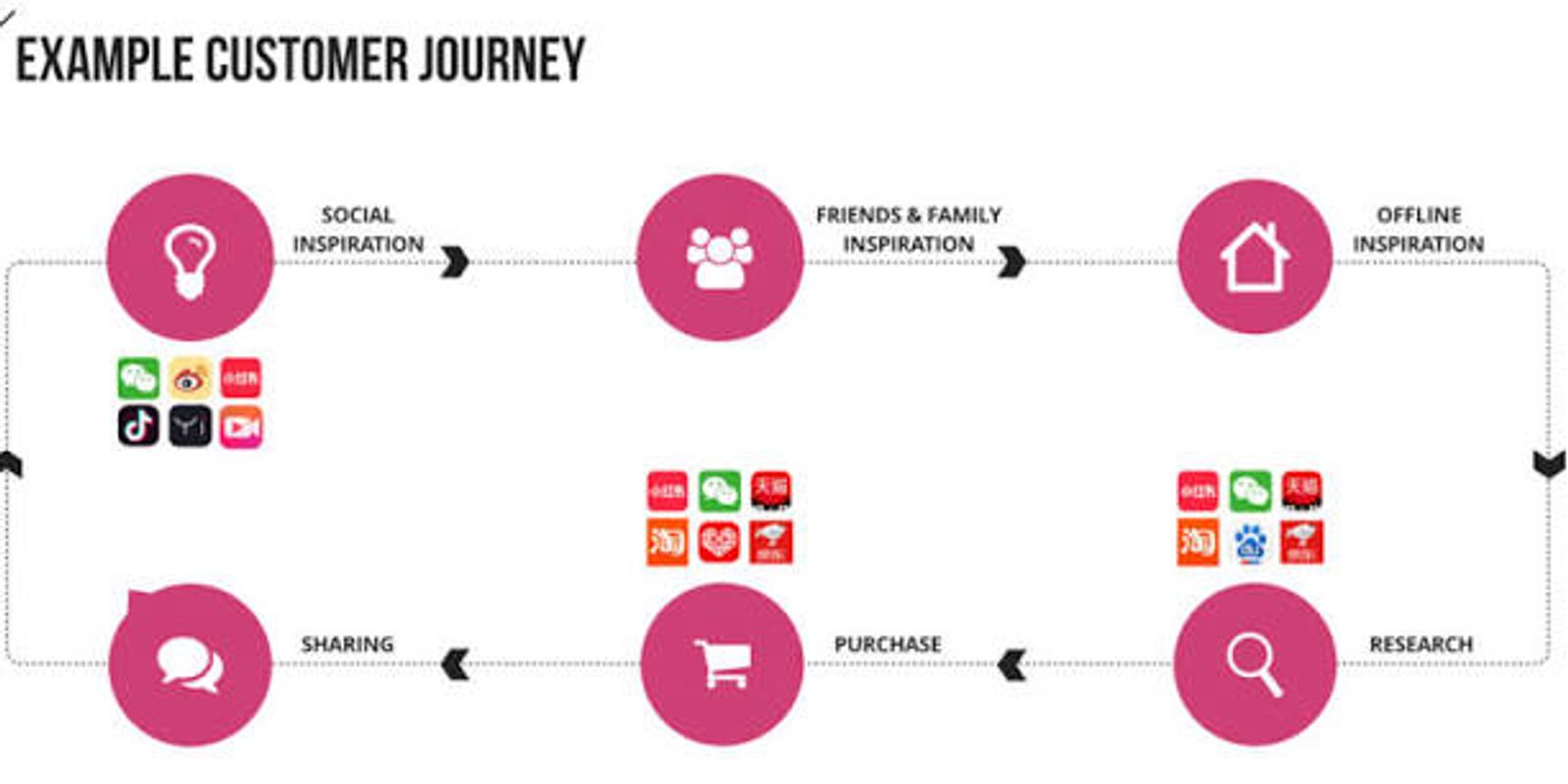
In China, people rarely buy on the strength of a brand's own claims. They search Xiaohongshu for real reviews, watch a creator test the product on Douyin, and ask a trusted voice in a WeChat group before they decide. That is why KOL marketing in China sits at the center of most successful brand launches: a recommendation from the right person does what a banner ad cannot.
A KOL (Key Opinion Leader) is a creator with an established audience and credibility in a specific niche, such as beauty, tech, food, parenting or gaming. The main platforms for KOL campaigns are Xiaohongshu, Douyin, WeChat, Weibo and Bilibili. This guide covers what KOL marketing is, how to run a campaign step by step, how to choose creators, what it costs, how to measure results and which mistakes to avoid. If you want a deeper comparison of creator types first, read our guide to KOL and KOC marketing for international brands.
What Is KOL Marketing in China?
What KOL stands for and how it works in China
KOL stands for Key Opinion Leader. In Chinese marketing, the term covers anyone whose recommendations influence a defined audience, from a celebrity with millions of followers to a niche expert with a few thousand loyal readers. Brands pay or partner with KOLs to create content such as reviews, tutorials, unboxings, livestreams and short videos that introduce a product to their followers.
The mechanics are straightforward. A brand briefs a creator, the creator produces content in their own voice, and the content is published on the creator's account. Many campaigns then add paid amplification, tracking links or product cards so that interest turns into measurable traffic and sales.
KOLs vs. KOCs vs. Western influencers
- KOLs usually have larger audiences, higher production value and higher fees. They are best for awareness, launches and credibility.
- KOCs (Key Opinion Consumers) are smaller, everyday creators or real customers with highly engaged, trusting followers. They are best for authentic reviews, seeding and conversion at lower cost.
- Western influencers typically work on Instagram, YouTube or TikTok, none of which are the main platforms for mainland Chinese consumers. A foreign influencer with a big following abroad rarely moves sales inside China.
Why Chinese consumers trust KOL recommendations
Chinese social platforms combine content, community and commerce in one app, so a recommendation and a purchase can be a few taps apart. Consumers treat creators as peers with specific expertise, and they read comments, saves and follow-up posts to check whether a recommendation is real. That scrutiny is exactly why authenticity matters more than polish.
Why Is KOL Marketing Important for Brands in China?
- Awareness and credibility: A new foreign brand has no local reputation. Respected creators can introduce it and lend trust quickly.
- Reaching specific audiences: Creators are organized by niche, city tier, age and interest, which makes targeting precise.
- Social proof: Reviews, comments and saves give prospective buyers the evidence they look for before purchasing.
- Traffic and sales: Product links, livestream shopping, discount codes and brand searches connect creator content to measurable results.
- Product launches and market entry: KOL seeding is one of the most common ways to test demand and build early momentum before committing to large paid media budgets.
KOL activity also feeds your other channels. Content from creators can be repurposed in ads, and a rise in brand searches helps your organic and paid advertising efforts perform better.
Which Platforms Are Best for KOL Marketing in China?
Xiaohongshu: reviews and lifestyle
Xiaohongshu (RED) works as a search engine for lifestyle decisions. Users look for detailed reviews, routines and recommendations in beauty, fashion, food, travel, parenting and wellness. Long-form notes, saves and search visibility make it ideal for seeding and for building a long-lasting library of content about your brand.
Douyin: video and livestream commerce
Douyin combines huge reach with short-video storytelling and strong livestream shopping. It suits demonstrations, trend-driven content and direct sales. Creators are often sourced and managed through Douyin's official creator marketplace, Xingtu.
WeChat: private communities
WeChat is less about discovery and more about relationships. Official Accounts, Channels and private groups let brands and creators build deeper trust, nurture leads and drive repeat purchases through Mini Programs.
Weibo: public visibility
Weibo is the place for public conversation, celebrity activity and trending topics. It is useful for launches and announcements that benefit from wide visibility, though it is typically less conversion-focused.
Bilibili: gaming, tech, long-form video
Bilibili has an engaged, younger audience that values detailed, long-form and community-driven content. It works well for gaming, tech, anime, education and other categories where viewers want depth.
How Do You Run a KOL Campaign in China?
- Define goals and audience. Decide whether you want awareness, traffic, leads or sales, and describe the buyer you want to reach. Goals determine the platform, creator type and budget.
- Choose the platform. Match the platform to where your audience researches and buys. Do not start on every channel at once.
- Shortlist and vet KOLs. Build a list of creators who fit your niche, tone and audience, then check their history and results.
- Evaluate engagement and audience quality. Look at real engagement, audience location and age, and comment quality, not just follower counts.
- Set budget and deliverables. Agree on the number of posts, formats, usage rights, timelines and revision rounds in writing.
- Write the campaign brief. Give creators your product facts, key messages, must-haves and compliance requirements, but leave room for their own style.
- Review content and coordinate publishing. Check claims and disclosures before posting, and stagger publishing so that content builds momentum instead of landing all at once.
- Track and optimize. Monitor results by creator, platform and format, then shift budget toward what works.
How Do You Find and Choose the Right KOLs in China?
Search by niche
Start with the topic your customers care about, not with the biggest names. A skincare brand should look at skincare reviewers and routine creators rather than general lifestyle celebrities. Use platform search, competitor content and creator marketplaces to build the list.
Nano, micro, mid-tier and macro KOLs
Tiers are usually defined by follower count, though definitions differ by platform and source. As a rule of thumb:
- Nano and micro creators (smaller audiences) offer high engagement, authenticity and low cost, and suit seeding and conversion.
- Mid-tier creators balance reach and credibility, and are often the sweet spot for many brands.
- Macro and top-tier KOLs deliver reach and prestige for launches, at much higher cost.
Most strong campaigns combine tiers rather than relying on one.
Analyze demographics and comment quality
Ask for audience data: gender, age, city tier and interests. Then read the comments. Real conversations, specific questions and thoughtful replies are good signs. Generic emojis and repeated phrases are not.
Check past collaborations
Review earlier sponsored posts. Look at how the creator presents brands, whether results held up, whether they work with direct competitors, and how often they post ads.
Spot fake followers
Warning signs include sudden follower spikes, engagement that is very low compared with the audience, repeated or bot-like comments, and audiences that do not match the creator's content. Ask for platform data screenshots and use analytics tools where available.
When to hire a KOL agency or MCN
Most foreign brands benefit from local help. Some official platforms require a mainland business licence or local tax details, creators speak Mandarin, and contracts, payment and compliance work differently in China. A KOL agency or MCN (multi-channel network) can source and vet creators, negotiate rates, handle contracts and payments, manage content approval and report on results. See how we support brands with KOL and influencer marketing.
Which KOL Marketing Strategies Work in China?
- Sponsored posts and reviews: Paid content in the creator's own style, ideal for launches and credibility.
- Product seeding and KOC programs: Sending products to many small creators for honest reviews builds volume and social proof at low cost.
- Livestream shopping: Real-time demos with a creator and direct purchase links. This format drives sales but requires product readiness, stock and customer service.
- Short-video demos: Quick, visual proof of how a product works, particularly effective on Douyin.
- Long-term partnerships: Repeated collaboration builds familiarity and trust, and often improves rates and results over one-off posts.
- KOL content plus paid amplification: Boosting the best-performing creator content with ads extends reach and makes results more predictable.
How Much Does KOL Marketing Cost in China?
KOL pricing is not standardized. Rates vary widely by platform, niche, season and negotiation, and published benchmarks often disagree. Use the figures below as rough planning ranges and get current quotes before you budget.
What drives pricing
Follower count, engagement quality, content format (image post, video or livestream), niche, usage rights, exclusivity, production complexity and timing all affect price. Creators in high-value categories like beauty, luxury and finance generally charge more.
Price by platform and creator tier
Published guides on Xiaohongshu show per-post prices of a few hundred RMB for very small KOC accounts, from a few thousand into the tens of thousands of RMB for mid-tier creators, and far higher for top-tier KOLs and celebrities. Video usually costs more than image posts. Douyin and Weibo follow similar logic, with fees rising with reach and engagement.
Fixed fees, gifting, and commissions
- Fixed fees: A set price per post, video or livestream session.
- Gifting: Product-only exchanges, common with KOCs and nano creators, though not guaranteed to produce content.
- Commissions: Often used for livestream commerce, typically as a percentage of sales. Commission rates of roughly 5% to 25% are commonly cited, depending on category and creator.
- Hybrid deals: A smaller fixed fee plus a commission, which aligns incentives.
Agency, production, and amplification costs
Budget beyond the creator fee. Typical extra costs include agency management fees, product samples and shipping, translation and localization, additional production, legal review and paid amplification to boost the best content.
Budgeting and ROI
Start with a test budget that covers several creators and platforms, rather than putting everything on one big name. Spend more on KOC seeding and mid-tier creators to learn what resonates, then scale the winners. Judge results against your goal, such as cost per lead or sales, rather than against follower counts alone.
How Do You Measure KOL Campaign ROI in China?
- Reach and views: Impressions, plays and unique viewers show how many people saw the content.
- Engagement, saves and shares: Likes matter less than saves, shares and thoughtful comments, which signal real interest.
- Brand searches and referral traffic: Track increases in branded searches on Baidu and Xiaohongshu, and use unique links, QR codes or landing pages by creator.
- Leads and sales: Use discount codes, product links, Mini Program tracking and CRM tags to attribute leads and orders.
- CPA and ROI: Compare total campaign cost, including creator fees and production, with the number of leads or sales generated, and with their value.
Attribution across Chinese platforms is imperfect, so combine direct tracking with trend analysis over time.
What KOL Marketing Mistakes Should You Avoid in China?
- Choosing by follower count. Big audiences with weak engagement or the wrong demographic waste budget.
- Reusing content across platforms. What works on Douyin often fails on Xiaohongshu. Adapt format, tone and length.
- Over-scripting creators. Heavily scripted content looks like an ad and loses trust. Provide guidelines, not a script.
- No goals or tracking. Without clear KPIs and tracking links, you cannot prove results or improve.
- Ignoring audience authenticity. Fake followers and bought engagement inflate numbers but do not buy products.
- One-off campaigns. A single post rarely changes behavior. Consistent activity builds recognition and trust.
Compliance is another risk. Chinese advertising rules require clear disclosure of paid endorsements and prohibit exaggerated or unsupported claims, and regulators have been tightening enforcement on livestream and influencer content. Have claims and contracts reviewed before launch.
KOL Marketing in China: FAQs
What does KOL mean in Chinese marketing?
KOL means Key Opinion Leader. It refers to a creator or expert whose recommendations influence the buying decisions of a specific audience, on platforms such as Xiaohongshu, Douyin, WeChat, Weibo and Bilibili.
How do you do KOL marketing in China?
Define your goal and audience, choose the right platform, shortlist and vet creators, agree on budget and deliverables, brief them, review content before publishing and track results so you can optimize. Most foreign brands work with a local agency to manage this.
What is the difference between KOLs and KOCs?
KOLs have larger followings and higher fees and are best for reach and credibility. KOCs are smaller, everyday creators with more personal, trusted influence and lower cost, and they are best for seeding, reviews and conversion. Many campaigns use both.
Which platform is best for KOL marketing?
It depends on your category and goal. Xiaohongshu is strong for reviews and lifestyle, Douyin for video and livestream sales, WeChat for private communities, Weibo for public visibility and Bilibili for gaming, tech and long-form content.
How much does it cost?
Costs range from a few hundred RMB per post for small KOCs to tens or hundreds of thousands of RMB for top creators, plus agency, production and amplification fees. Livestream deals often use commissions. Always confirm current rates before budgeting.
Should foreign brands hire a KOL agency?
In most cases, yes. An agency can access creator platforms, verify audiences, handle Mandarin communication, contracts and payments, and keep content compliant. This is especially helpful when you have no local entity.
How do you measure KOL ROI?
Track views, engagement, saves and shares, brand searches and referral traffic, then connect them to leads and sales with unique links, codes and CRM data. Compare total cost against the outcomes your goals defined.
Conclusion
KOL marketing works in China because trust is built through people, not logos. The brands that succeed start with one focused campaign, learn which creators, formats and messages resonate, and then scale on data. If you want help planning your first campaign, contact China Digital Dynamics or explore more guides in our Insights library.