'/%3e%3cpath%20d='M84%20126C60.804%20126%2042%20107.196%2042%2084C42%2060.804%2060.8041%2042%2084%2042L84%20126Z'%20fill='%235546FA'/%3e%3c/svg%3e)
Education in China: How Social Media and Localization Are Shaping Student Engagement
Introduction
China’s education marketing landscape is evolving faster than ever — from exam-oriented competition to an interconnected ecosystem where social media, localization, and storytelling define success. Education in China is no longer confined to classrooms; it’s a lifestyle, an identity, and a lifelong pursuit of growth.
With over 500 million middle-income consumers and a generation of digitally fluent parents and students, education remains one of China’s most powerful cultural forces. Following the 2021 “Double Reduction” policy, learning has transformed from test preparation to holistic self-improvement — opening new opportunities for brands to connect through authenticity, community, and value-driven content.
At China Digital Dynamics, we help global and local education brands build meaningful engagement with Chinese audiences — through localized digital strategy, student storytelling on platforms like WeChat, Xiaohongshu, and Douyin, and integrated recruitment campaigns. Our mission is simple: to help education brands speak the language of trust, culture, and aspiration in the China market.
1. Understanding China’s Student Audiences
Social commerce is no longer just shopping — it is social + community + trust, driving measurable outcomes across industries, including education. Students and parents increasingly discover programs and courses through short videos, livestream Q&As, and real-life student stories.
Successful educational institutions humanize their content — showcasing student journeys, teacher insights, and classroom experiences, not just polished promotional messages.
There is no one-size-fits-all approach to China student recruitment strategies. The student market is highly segmented, each group with distinct motivations and digital paths.
- K-12 Students and Parents
Marketing directly to children is restricted, but parents remain the decision-makers. They value academic excellence, emotional well-being, and brand trust. Campaigns that highlight long-term success and credibility — such as alumni achievements or expert endorsements — resonate most.
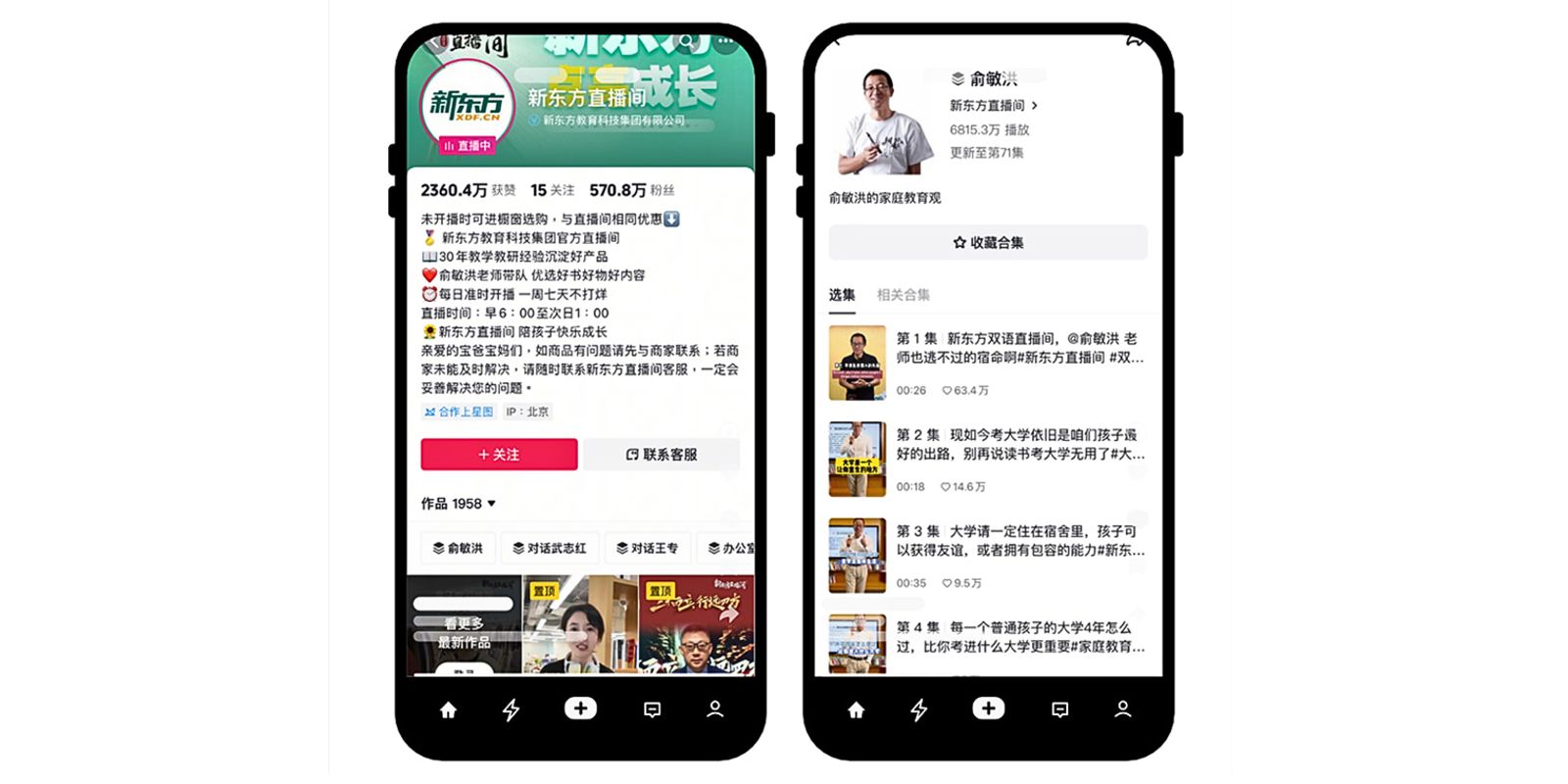
Example: When New Oriental (新东方) pivoted to livestream e-commerce after the tutoring clampdown, its mix of humor, authenticity, and educational value rebuilt emotional trust among parents. It turned policy pressure into creative opportunity.
- University Students
University students in China are independent, tech-savvy, and socially expressive. They view education as part of their identity — and gravitate toward brands that reflect that.
Campaigns on Douyin or Bilibili that blend humor, storytelling, and peer relatability resonate best. For instance, EF Education’s interactive Douyin challenges turned language learning into a social, gamified experience — attracting millions of views and rebranding EF as a confidence coach for globally minded youth.
- Study Abroad Aspirants
China remains the largest source of international students. This audience — and their parents — rely heavily on WeChat, Xiaohongshu, Douyin, and Bilibili to research schools and student life before applying.
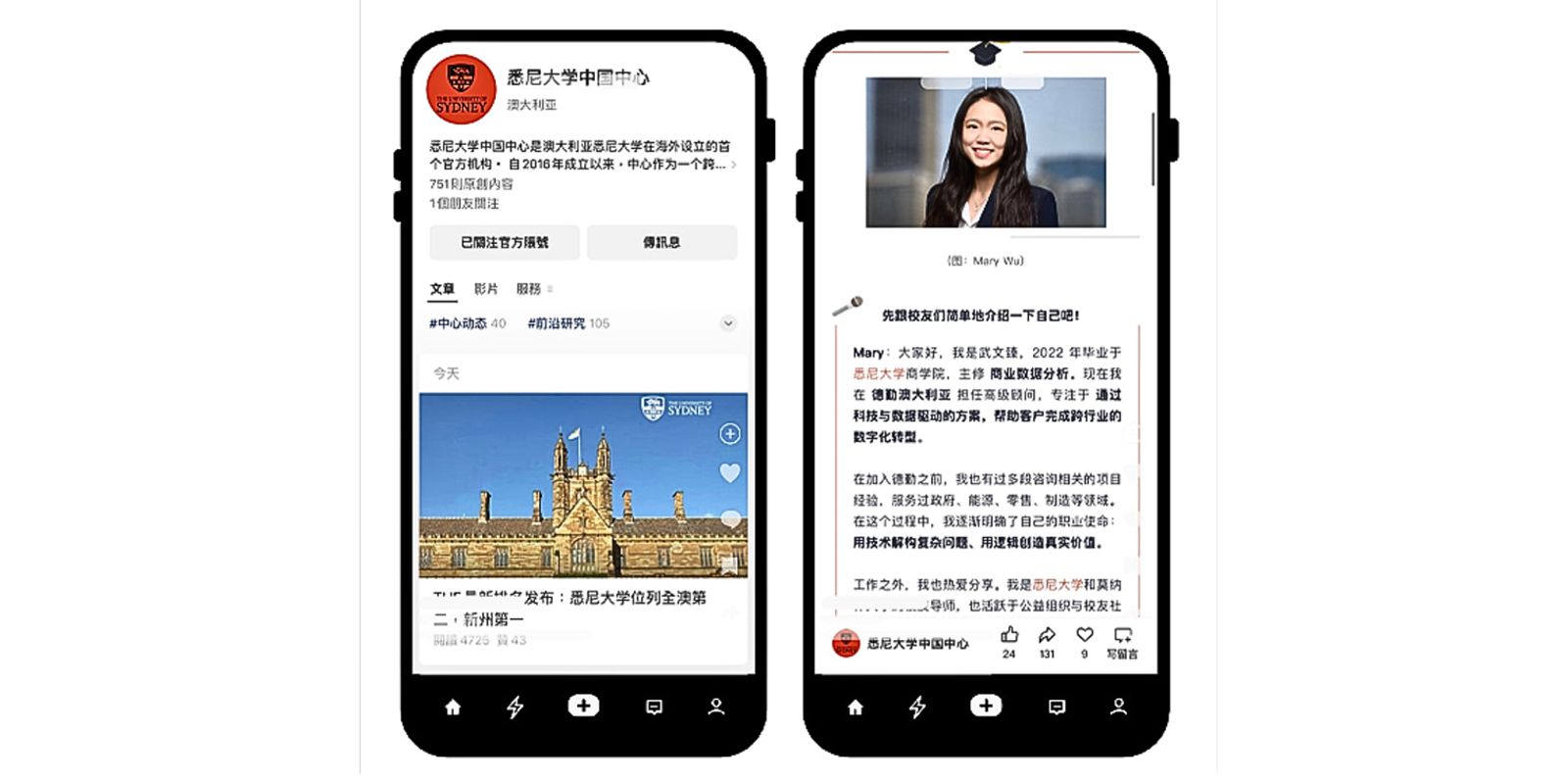
Example: The University of Sydney’s WeChat campaign featuring Chinese student ambassadors transformed its image from distant to relatable, leading to a surge in inquiries. Authentic peer narratives now outperform traditional scholarship promotions.
- Lifelong Learners and Young Professionals
Among China’s younger workforce, continuous learning is booming. Professionals pursue flexible credentials in languages, business, programming, and design through platforms like Tencent Classroom, Youdao, and Coursera.
Global e-learning platforms such as Coursera and Udemy have localized interfaces and Mandarin subtitles to serve this growing audience. For them, ROI, convenience, and credibility outweigh slogans. Brands that emphasize career outcomes, mentorship, and community see the strongest engagement.
2. Core Strategies for Education Brands in China
- Build Trust Through Localization
Credibility is the foundation of education branding in China. Audiences favor brands that feel linguistically and culturally fluent. What works are localized visuals, relatable tone, and Chinese-language storytelling that reflect local cultural values — including family, growth, and achievement.
- Showcase Chinese alumni stories to create relatability.
- Partner with local partners - schools, agencies, or government-linked programs - to strengthen institutional trust.
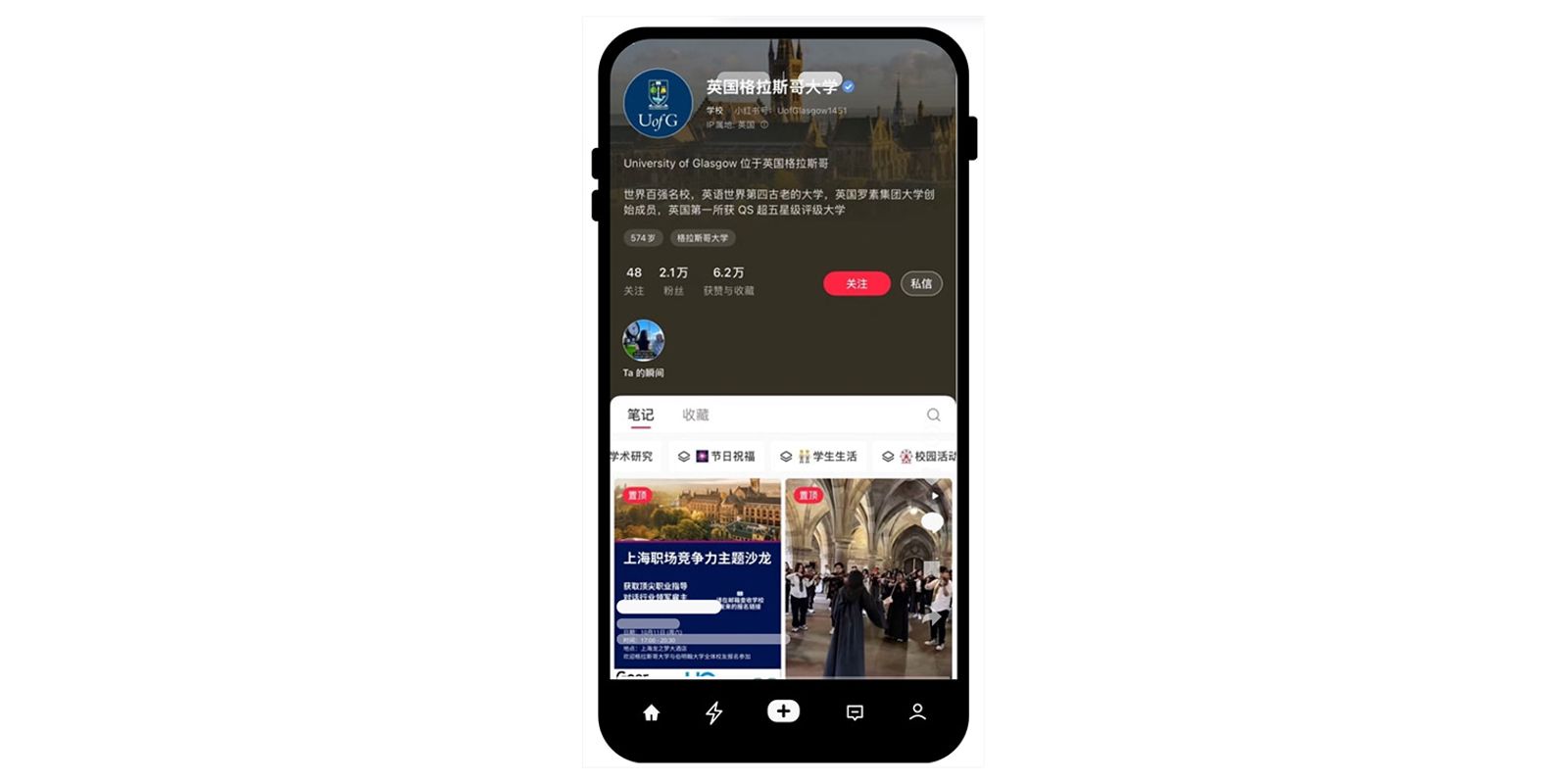
Example: The University of Glasgow targeting Chinese students saw major success by focusing its Xiaohognshu content on student life, cultural diversity, and post-graduation career opportunities rather than only academic rankings. This emotional storytelling built trust and relatability, leading to higher engagement and more inquiries.
- Master the Digital Ecosystem
Chinese families are investing in education that blends learning, travel, and personal growth. Platforms like Xiaohongshu and WeChat Channels are now discovery engines for lifestyle-based learning.
This evolution pushes brands to shift from selling courses to selling experiences.
- WeChat - The Trust Hub
Your WeChat official account is your digital campus. Use it to publish thought-leadership content, host virtual open days, and manage leads through CRM-integrated mini-programs.
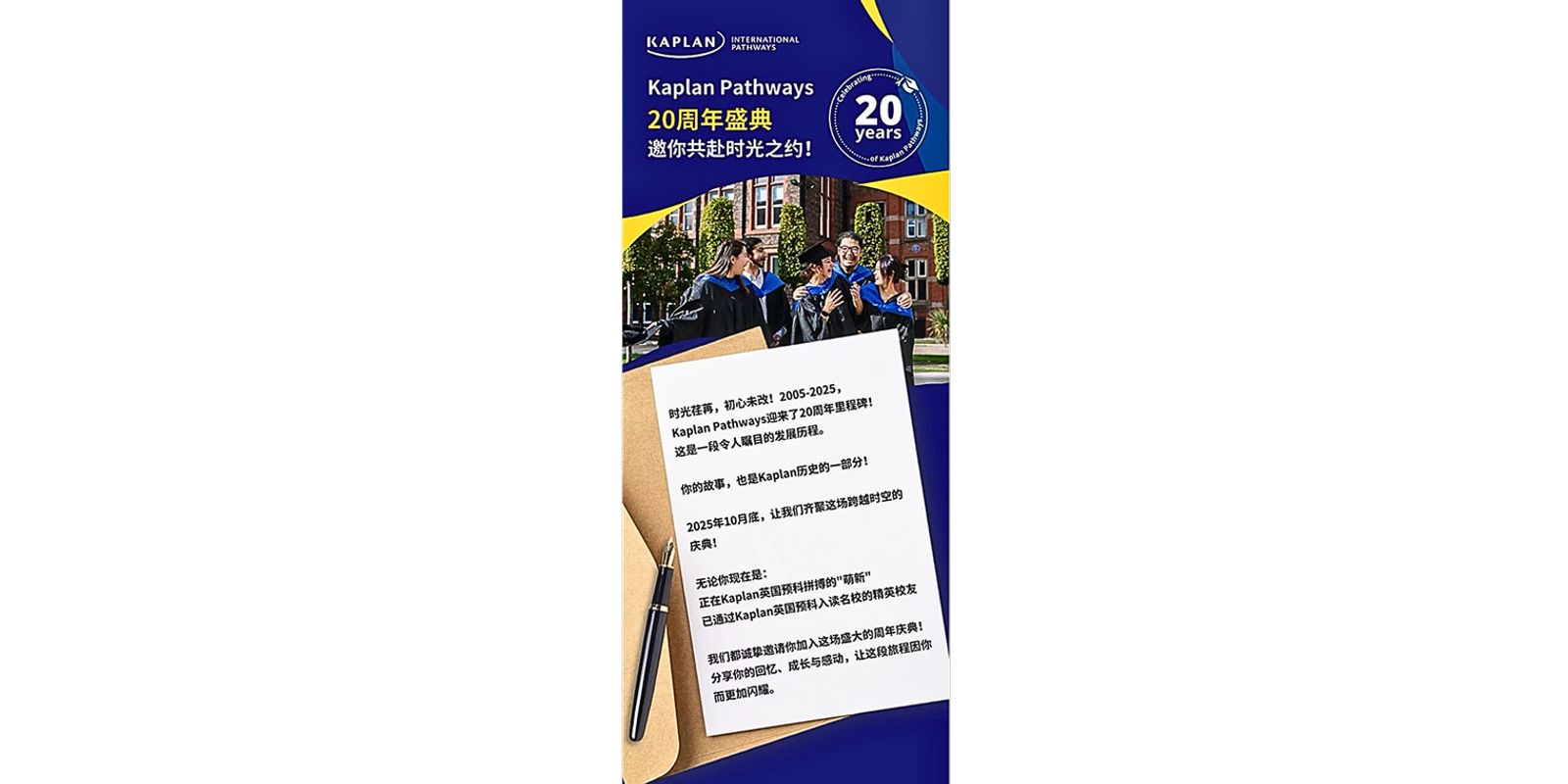
Kaplan International’s “20th Year Anniversary” campaign leveraged WeChat as a hub to engage its alumni community, inviting them to share memorable stories and moments for an upcoming offline gala. The most compelling contributors were recognized and rewarded at the grand ceremony. This strategy created a powerful win-win effect — using user-generated content to amplify brand visibility online while driving traffic and qualified leads to its offline celebration events.
- Xiaohongshu - The Inspiration Engine
On Xiaohongshu, education meets lifestyle. Students search for authentic posts about study life, test prep, and career tips. Encourage KOCs and alumni to share candid reflections.
Frame education not as a duty but as an aspiration - a way to gain confidence, independence, and worldliness.
- Douyin - The Emotional Stage
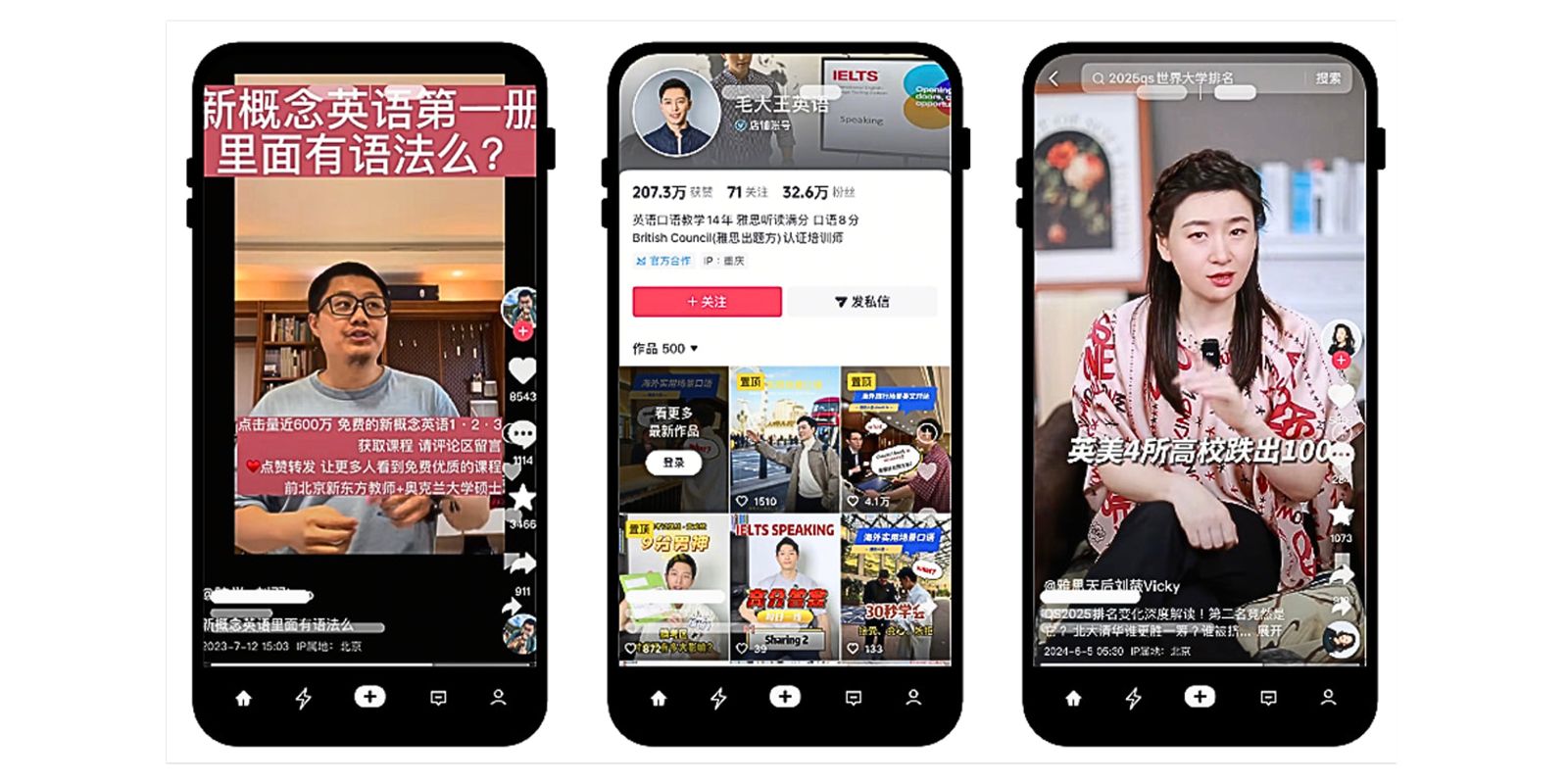
Douyin is a storytelling platform where emotional branding thrives. It’s not about selling — it’s about building trust and genuine connection through relatable, human stories.
A standout trend is the rise of teacher influencers, who have transformed the way educational content connects with young Chinese audiences. These creators craft emotional narratives that resonate deeply with both students and parents, sparking high engagement, comments, and shares.
Brands that collaborate with such teacher IPs often see a significant boost in credibility and organic reach, as followers already trust the influencer’s authenticity, expertise, and heartfelt approach to education.
- Bilibili & Zhihu - The Authority Channels
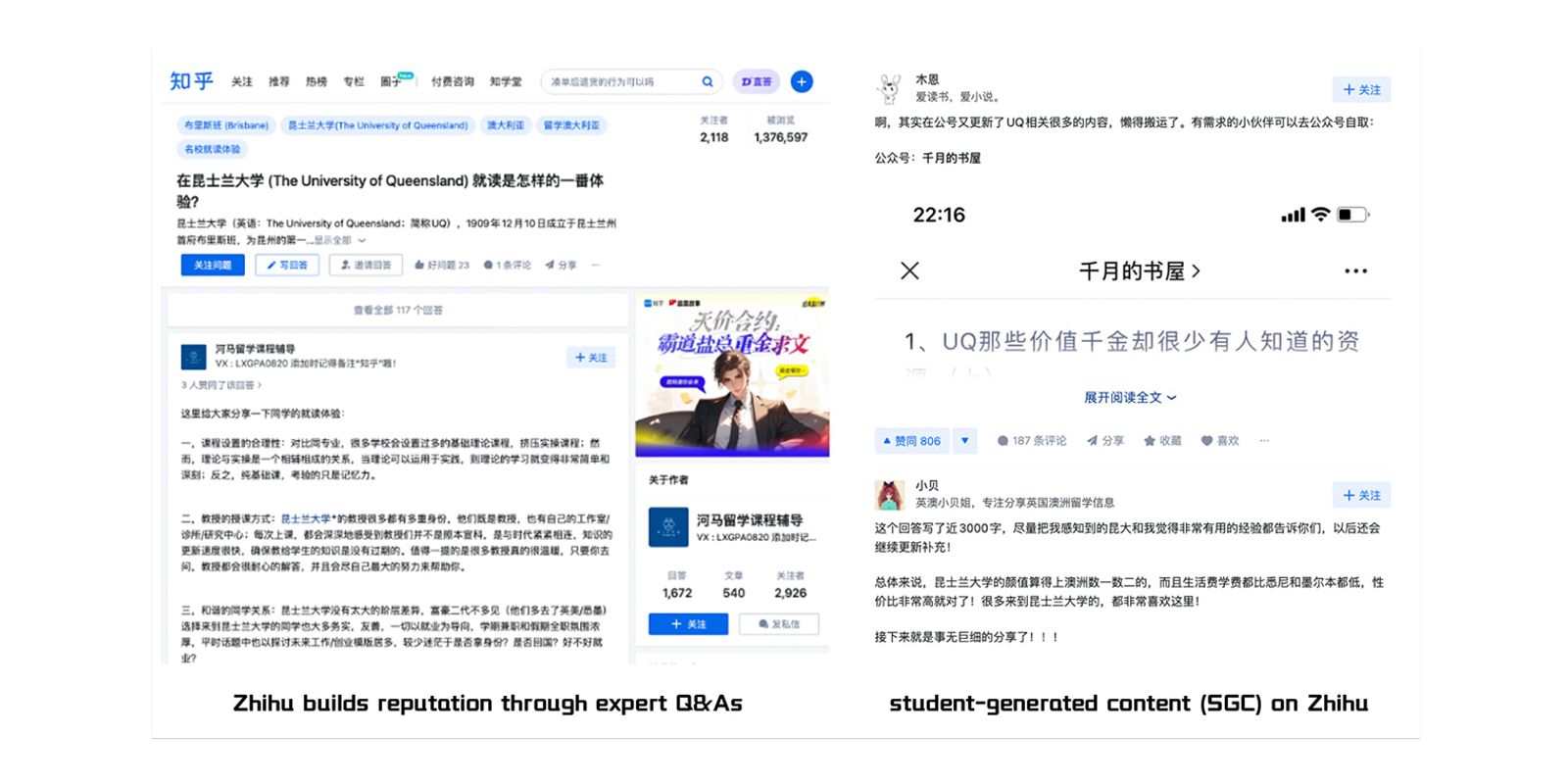
Bilibili's long-form content allows for deeper storytelling - from application tips to campus tours - while Zhihu builds reputation through expert Q&As. Education brands should treat Zhihu as an ongoing credibility engine rather than a one-off campaign.
3. Harness AI and Data to Personalize Learning Journeys
Even without focusing heavily on AI, personalization remains central to education marketing in China. Brands use data and digital tools to refine engagement:
- Predict student interest through analytics.
- Use chatbots or WeChat plug-ins to handle FAQs.
- Personalize recommendations and study resources.
New Oriental Education exemplifies this shift. Its AI-powered recommendation engine matches students' learning histories with personalized course suggestions - significantly boosting online conversions. The next evolution? Virtual tutors and AI avatars that simulate real academic advisors, already piloted on Douyin and Xiaohongshu.
4. Co-create with Students
Students respond best when they are part of the story. Let them participate through content creation, testimonials, or campus life sharing. Successful education marketing in China increasingly revolves around student-generated content (SGC), authentic peer storytelling, and creative collaboration. When students become storytellers, they turn your brand into a community.
5. Partner with Platforms and Communities
Partnerships extend credibility. Align with edtech ecosystems, influencers, and learning communities to reach broader audiences.
LEGO Education’s "Back to School" campaign with Bilibili Study Creators @TeacherLiYongle showcased how students use Macs for learning and creativity. It was not just a tech ad - it was an emotional invitation to a modern learning lifestyle. Collaborations with Zhihu, Youdao, or Tencent Classroom also position brands within credible learning environments.
6. Emerging Trends Shaping 2025 and Beyond
- Hybrid Learning & Virtual Influencers: Blending offline mentorship with digital tools; virtual educators are becoming mainstream.
- “Edutainment” on Short Video: Short, engaging videos on Douyin that teach something useful gain attention fast.
- Niche Upskilling: Gen Z professionals invest in micro-learning around UX, AI, or finance.
- Study Abroad Revival: Overseas study is rebounding, with applications up 22% YoY (China Education Online, 2025) — early engagement through WeChat and Douyin wins.
Conclusion: The Future of Education Marketing in China
Education in China is not just an industry — it’s an emotion. Parents, students, and professionals are investing in dreams, not just degrees. To thrive in this dynamic landscape, brands must combine credibility with creativity, and technology with empathy.
The winning formula is clear:
- Localize your message to connect meaningfully with Chinese audiences.
- Humanize your brand voice through authentic storytelling.
- Digitize your engagement across China’s unique social and learning platforms.
At China Digital Dynamics, we partner with education institutions, edtech companies, and study-abroad agencies to navigate this evolution — helping you localize, engage, and inspire the next generation of Chinese learners. Because in China’s education market, one truth remains: learning never stops — and neither should your brand.